Corporate Family Day Ideas in Vietnam
A team building day thanks the employee. A family day thanks the household that has absorbed the late nights, the travel and the Sunday emails — which is a different audience and a different event entirely.
A corporate family day Vietnam companies run well is planned around children first and adults second, because if the children are happy the parents relax and the day works. Planned the other way round, it becomes a company picnic with bored kids.
This guide covers formats, activities by age group, venues, timing, catering, safety and the logistics that decide whether people stay.
Why run a family day at all?
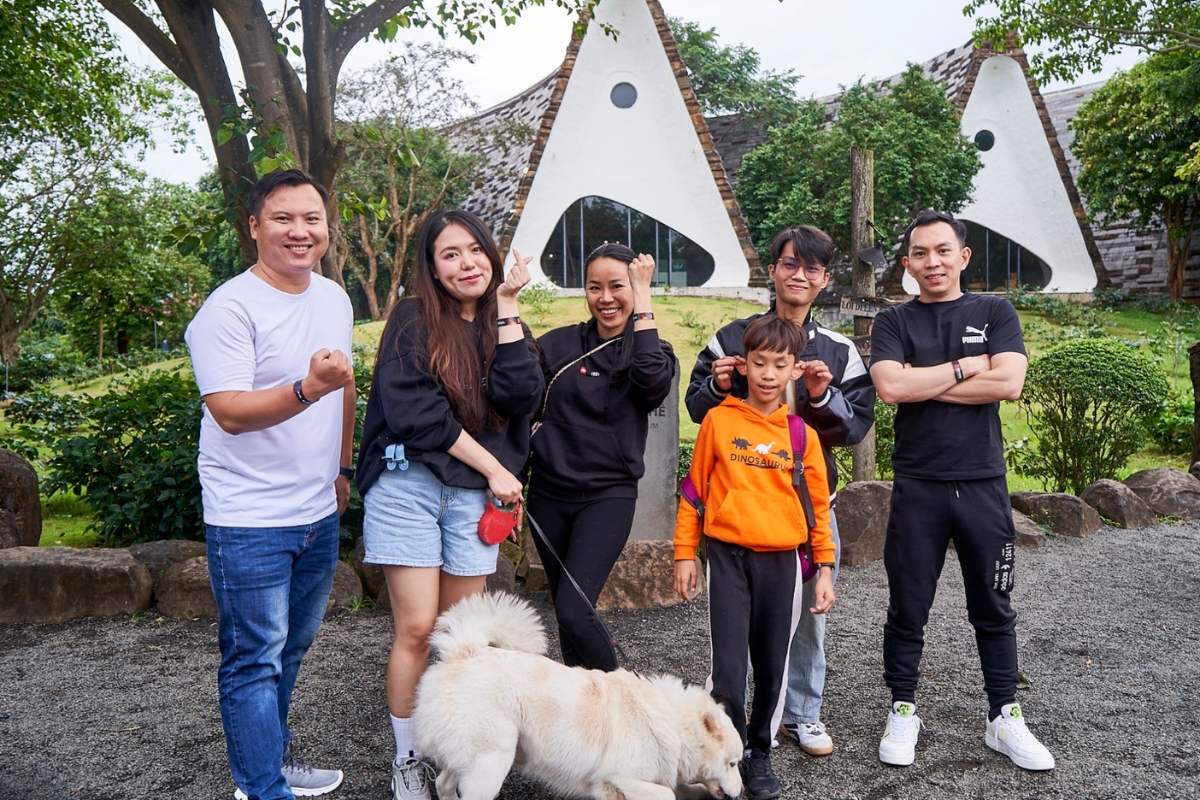
A corporate family day Vietnam companies run exists because the family is the unit that actually experiences a job.
Long hours, business travel and a demanding period are absorbed by a household, not only an employee. An event that acknowledges that reaches the people whose support makes the work possible, and it reaches them directly rather than through the employee.
The SHRM research links belonging and family-friendly practice to retention, and a family day is one of the few company events where a spouse or child forms their own impression of the employer. In Vietnam, where family is central to how people evaluate a job, that impression carries real weight.
What formats work?
Five corporate family day Vietnam formats, each suiting different headcounts and settings:
- The carnival or fun fair. Game stalls, food stands, performances and a prize system. The most reliable format for mixed ages and large numbers.
- The resort day. A day pass at a resort or water park, with light programming around free use of the facilities.
- The sports day. Family teams competing in accessible events; see our sports day guide.
- The nature or farm day. An outdoor venue with animals, planting and open space, strong for younger children.
- The cultural day. Traditional games, lantern making, cooking — well received and distinctly Vietnamese; see traditional games.
For a first company family day ideas exercise, the carnival format is the safest. It scales, it works across ages, and people can arrive and leave when they need to.
How do you plan activities by age?
The single most important corporate family day Vietnam design decision, because a family day has four audiences at once:
- Under 5. A supervised soft play area, face painting, bubbles, a shaded rest space. Parents need somewhere they can sit and watch.
- 5 to 12. The core audience — game stalls, bouncy castles, treasure hunts, craft stations, magic shows.
- Teenagers. The group most often forgotten. They need something with genuine competition, a phone-friendly activity, or a role helping run stalls.
- Adults. Somewhere comfortable to sit, good food, and one or two activities they can do with their children rather than beside them.
Teenagers are the reliable failure point. A staff family event Vietnam companies design for young children will lose the 13 to 17 group within an hour, and their parents shortly afterwards.
Where should you hold it?
For a corporate family day Vietnam, space and shade matter more than prestige:
- Resorts with day-use facilities. Pools, grounds, catering and shade already in place — the easiest option.
- Parks and outdoor venues. More space and lower cost, with everything brought in and a permit likely required; see our permits guide.
- Water parks and theme parks. Self-programming, which reduces planning substantially.
- Farm and eco venues. Increasingly available around Ho Chi Minh City and Hanoi, good for younger families.
- Hotel grounds. For smaller groups where catering and facilities are contained.
The two non-negotiables are shade and bathrooms. A family fun day corporate teams attend in Vietnamese midday heat without adequate shade will empty by early afternoon regardless of the programme.
When should it run?
A Saturday morning into early afternoon, and shorter than instinct suggests.
Nine or ten in the morning until two or three in the afternoon is the working window. It avoids the worst heat, fits around young children’s routines, and leaves the rest of the weekend intact — which families appreciate more than a full day.
Seasonally, avoid the peak of the hot season and the wet-season afternoons. In the south, roughly November to February is comfortable; in the north, spring and autumn. Any outdoor date needs a wet-weather plan that is contracted rather than hoped for.
How does catering work for families?
Differently from a corporate event, and simpler.
Food stations and stalls work better than a seated meal, because families eat at different times and children eat little and often. Familiar food beats ambitious food; this is not the event for a tasting menu.
Practical requirements: a children’s option that children will actually eat, clearly labelled allergens, plenty of water and shaded seating, and an ice cream or snack element that functions as an activity in itself.
Collect dietary requirements including children’s allergies at registration. See our catering guide.
What safety planning is required?
Corporate family day Vietnam safety planning goes beyond an adult event, and it should be explicit.
- Child supervision policy. State clearly that children remain the responsibility of their parent, and staff supervision supplements rather than replaces it.
- Wristbands with a parent’s phone number for younger children.
- A named lost-child procedure with a designated meeting point, briefed to all staff.
- Water safety. Any pool or water element needs lifeguards and a stated ratio.
- First aid on site, with paediatric capability.
- Equipment checks for inflatables and rides, with operator certification.
The lost-child procedure is the one that matters most and takes five minutes to establish. See our risk management guide.
How do you handle registration?
With headcounts by age, collected in advance.
Ask each employee how many adults and how many children, with children’s ages. That drives catering quantities, activity capacity, wristband numbers and staffing — none of which can be estimated from employee headcount alone.
Set a clear policy on who may attend: immediate family only, or extended family, and whether grandparents are included. In Vietnam extended families are large, and an unclear policy produces either an unexpectedly large event or awkward conversations at the gate.
What does it cost?
Per attending person rather than per employee, which is the figure to present to finance.
A corporate family day Vietnam companies run typically costs less per head than a gala dinner, since catering is simpler and there is no production, entertainment or beverage package. The cost drivers are venue, activity stations and staffing.
The multiplier is what surprises. A 200-employee company may host 500 people once families are included, so a modest per-head figure becomes a substantial total. Model on expected attendance rather than headcount. See our budget guide.
What staffing does it need?
A corporate family day Vietnam needs more staff than an equivalent adult event, because stations need running.
Each game stall or activity station needs at least one person. Add registration, a roaming coordinator, first aid, and a designated lost-child contact. For water elements, lifeguards at a stated ratio.
Employee volunteers work well here in a way they do not at a gala — running a stall is a visible, enjoyable role, and colleagues’ children respond better to a familiar face. See our staffing guide.
What goes wrong most often?
Six recurring failures:
- Insufficient shade, which ends the event early.
- Nothing for teenagers.
- Queues at popular stations with no capacity planning.
- Running too long. Five hours is plenty; seven is an endurance test with toddlers.
- No wet-weather alternative for an outdoor date.
- Catering estimated from employee numbers rather than actual attendance.
A short example: when a manufacturing company near Ho Chi Minh City added a teenagers’ zone with an e-sports setup and a basketball competition to its family day, the average stay length rose by more than an hour. The parents of teenagers had previously been the first to leave.
How do you communicate it to staff?
Earlier and more practically than an adult event, because families need to plan.
Announce six to eight weeks out with the date, venue, timings and — critically — who may attend. Parents need to arrange the day around it, and a two-week notice period produces low attendance from exactly the families the event is for.
The communication should answer what parents will ask: is there parking, is there shade, what should children wear, is there a pool and do they need swimwear, is food provided, are there changing facilities, and can they leave early.
A short briefing note covering these converts hesitant families into attending ones. Uncertainty is the main reason people skip a corporate family day Vietnam companies organise, not disinterest.
How do you make it feel like the company?
Through people rather than branding.
Leadership present and participating — running a stall, joining the sack race — does more than any signage. So does giving employees a role, and introducing families to the colleagues their parent works with.
A short group photograph and a small takeaway gift for each child costs little and is remembered. What is not needed is a speech; a family day is one of the few company events that works better with no formal programme at all.
Frequently asked questions about corporate family days in Vietnam
What format works best for a corporate family day?
A carnival or fun fair with game stalls, food stands and performances. It scales across headcounts, works for mixed ages, and lets people arrive and leave as they need.
How do you plan for different age groups?
Four separately: supervised soft play for under-5s, stalls and games for 5 to 12, genuine competition or a helping role for teenagers, and comfortable seating and good food for adults.
Which age group is most often forgotten?
Teenagers. A day designed for young children loses the 13 to 17 group within an hour, and their parents shortly afterwards.
When should a family day run?
A Saturday from around nine or ten in the morning to two or three in the afternoon. Five hours is plenty and leaves the rest of the weekend intact.
What safety planning is required?
A stated child supervision policy, wristbands with parent phone numbers, a named lost-child procedure and meeting point, lifeguards for water, paediatric first aid and equipment certification.
How should catering be handled?
Food stations rather than a seated meal, familiar food over ambitious food, a children’s option they will actually eat, labelled allergens, plenty of water and shaded seating.
How do you budget for it?
Per attending person rather than per employee. A 200-employee company may host 500 people, so model on registered attendance including children by age.
What is the most common failure?
Insufficient shade. A family day in Vietnamese midday heat without adequate shade will empty by early afternoon regardless of the programme.
Plan your family day
Planning a corporate family day Vietnam families will actually enjoy, with the age groups, safety and logistics covered? Request a free proposal — or explore our team building service and past success stories.