Company Sports Day: Formats That Work
Most company sports days are designed by the people who are good at sport. Everyone else spends the morning being picked last for football and the afternoon deciding never to attend again.
A company sports day Vietnam employees actually want to attend is built around participation rather than athleticism, with events where fitness is not the determining variable and teams where nobody is carrying anyone.
This guide covers event selection, team structures, scoring, venues, safety, timing and how to include people who do not play sport.
What is a sports day actually for?
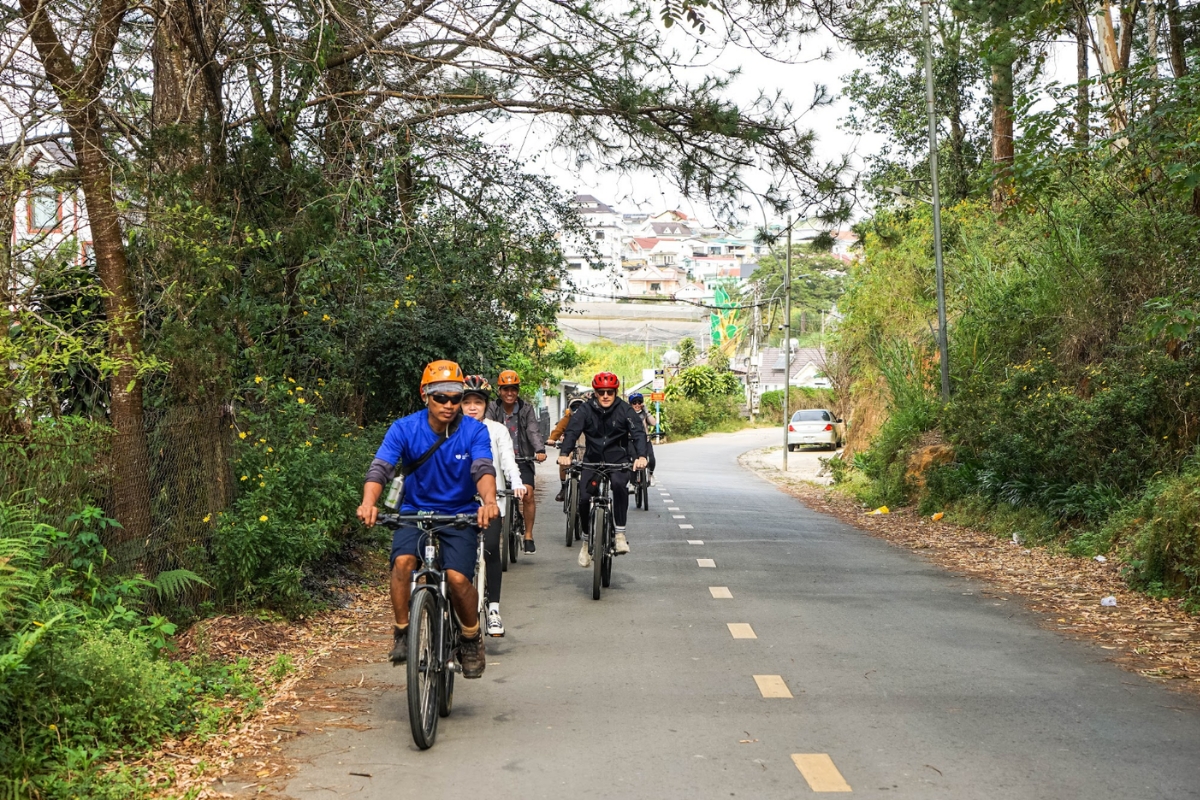
A company sports day Vietnam exists for cross-department mixing and shared experience, not competition.
The competition is the vehicle. What the day is meant to produce is finance and engineering on the same tug-of-war rope, and the conversation afterwards — which is why event selection should optimise for how many people participate rather than how good the contest is.
The SHRM research links shared experience to engagement, and a corporate sports tournament where a third of the workforce spectates is delivering that to two-thirds of the people it was budgeted for.
What events work for mixed fitness?
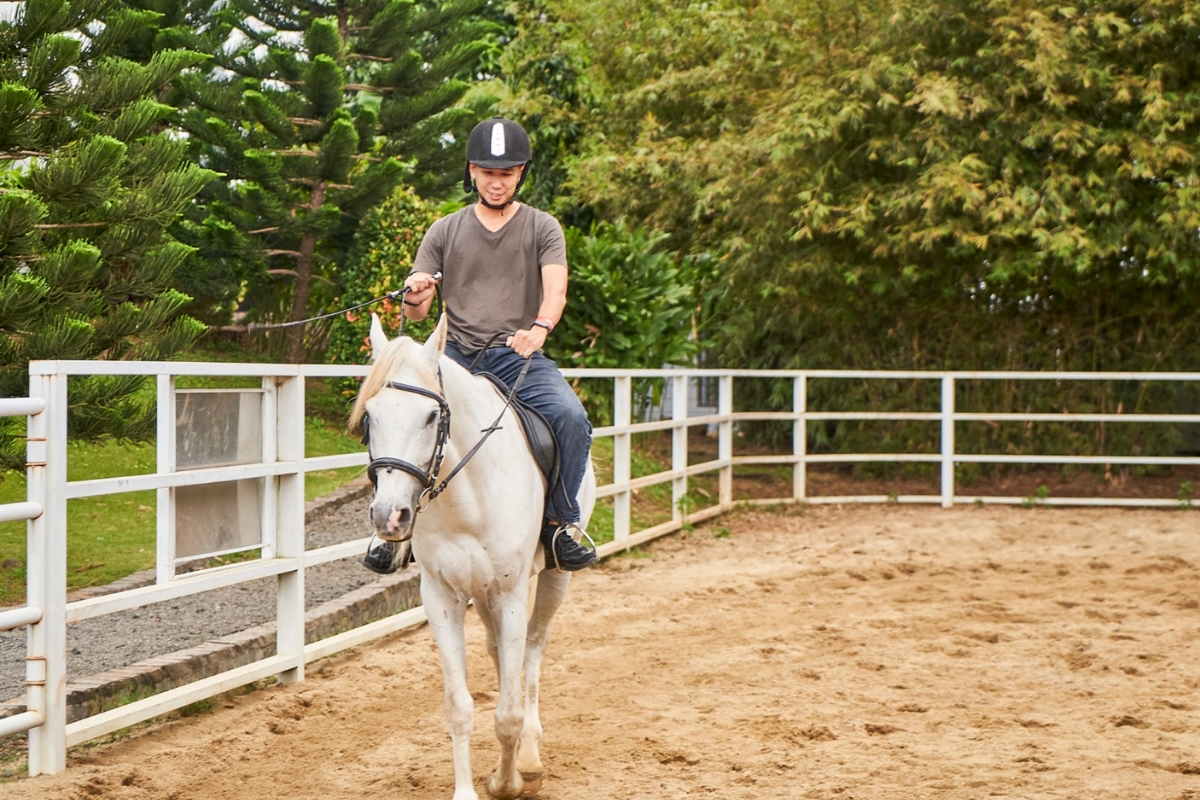
Company sports day Vietnam events should reward technique, luck or teamwork rather than athleticism:
- Tug of war. The reliable centrepiece — everyone contributes, nobody is exposed individually.
- Relay races with novelty elements. Sack races, three-legged runs, egg-and-spoon variants.
- Water carrying and bucket relays. Comic, wet and genuinely competitive.
- Target games. Darts, ring toss, penalty shootouts, coconut shy — skill rather than fitness.
- Traditional Vietnamese games. Bamboo dancing, nhảy bao bố, kéo co, đập niêu — familiar, participatory and culturally grounded; see traditional games.
- Team puzzles and construction challenges. Deliberately non-physical events that give thinkers a category to win.
- Obstacle courses where teams complete together rather than race individually.
What to avoid as core events: full-length football matches, competitive running, and anything where an unfit participant is visibly struggling in front of colleagues.
How should teams be structured?
Mixed deliberately — this is the company sports day Vietnam decision that determines whether the day achieves anything.
Departmental teams are the intuitive choice and the wrong one. They reproduce existing groupings, create inter-department friction, and mean nobody meets anyone new.
Better structures: randomly assigned mixed teams with a captain from each department, or teams built deliberately to mix function, seniority and tenure. Name them, give them colours, and let them build an identity through the morning.
Every team should have a spread of fitness levels. A team that has drawn all the athletes wins everything, which is boring for everyone including them.
How should scoring work?
To keep everything alive until the end, and to reward participation.
Award points across all events with no single event decisive, so a team cannot be eliminated early. Add participation points — every team member who competes in at least three events earns points — which quietly obliges captains to include everyone.
Include non-athletic categories in the total: a puzzle challenge, a team cheer, best costume. This gives every team a plausible path and gives people who do not play sport something they can win.
Display a running leaderboard. A company olympics sports day with a visible scoreboard between events generates far more energy than one where the result is announced at the end.
Where should it be held?
A company sports day Vietnam needs space, shade and facilities, in that order:
- Sports complexes and stadiums. Proper surfaces, changing rooms and spectator seating.
- Resort grounds. Space plus catering and shade already in place — the easiest option for a full-day event.
- Beaches. Excellent for a coastal programme, with sand adding difficulty and softening falls; see beach team building.
- Parks and open grounds. Cheapest, with everything brought in and a permit likely needed.
- Indoor sports halls. The reliable wet-weather and hot-season answer.
Shade is the constraint that decides whether a staff sports event Vietnam runs to its finish. A full day of outdoor competition without shaded rest areas and abundant water is not viable in most of the Vietnamese calendar.
When should it run?
Morning into early afternoon, and in the cooler months.
An eight or nine o’clock start, competing through the morning, lunch, and an early-afternoon finish with the awards. Six hours is enough; a full day in heat produces a tired, sunburnt workforce.
Seasonally, aim for the cooler and drier windows — roughly November to February in the south, spring and autumn in the north. Always have an indoor or covered alternative contracted rather than identified.
How do you include non-athletes?
Deliberately — a company sports day Vietnam should offer roles as well as events.
Some people will not compete regardless of how the day is designed, and pretending otherwise creates a group standing at the edge. Give them jobs: referees, scorers, photographers, commentators, cheer squad, station managers.
A commentator with a microphone is the single best appointment on a sports day. It gives a non-participant a central role and turns individual events into something the whole field is watching.
Then make sure the non-athletic scoring categories are real rather than token, so a team strong on puzzles and cheering can genuinely place well.
What safety planning is needed?
Proportionate but explicit, since this is a physical event with a mixed-fitness workforce:
- First aid on site, with a stated response procedure.
- Medical disclosure collected at registration, with a genuine opt-out.
- Warm-up before competition begins — this prevents most of the injuries that occur.
- Hydration stations throughout, not just at lunch.
- Heat management — mandatory rest breaks and shade between events.
- Surface and equipment checks before the first event.
The opt-out matters. Pregnancy, injury, chronic conditions and simple reluctance are all legitimate, and nobody should have to explain themselves to take a scoring role instead. See our risk management guide.
What does the schedule look like?
A workable company sports day Vietnam structure for 150 people in mixed teams:
- 08:30 — Arrival, team assignment, colours issued, group photograph.
- 09:00 — Opening, rules, warm-up.
- 09:20 — Rotation one: three stations running simultaneously.
- 10:20 — Break, water, leaderboard update.
- 10:40 — Rotation two.
- 11:40 — Non-athletic challenge, all teams.
- 12:15 — Lunch.
- 13:15 — Tug of war knockout, whole field watching.
- 14:00 — Awards and close.
Rotating stations rather than sequential events is the key structural choice. It keeps everyone active rather than queuing, and it triples the number of events a day can hold.
How do you handle a large workforce?
Above roughly 300 people, the format shifts from a competition to a festival.
Running eight teams through rotating stations works to about 200. Beyond that, either run more stations in parallel with a larger field, or split into waves — departments competing in the morning, a whole-company final in the afternoon.
For manufacturing and operations workforces in the thousands, the practical model is a multi-week internal tournament culminating in a finals day, which spreads participation and builds anticipation. Inter-shift and inter-line competition works particularly well in factory settings.
At any scale above 300, a commentator, a public scoreboard and a sound system become necessary rather than optional. See our manufacturing events guide.
What equipment do you need?
Less than expected, and most of it hireable.
The core kit for a company sports day Vietnam is ropes for tug of war, sacks, cones, balls, buckets, bibs or coloured shirts by team, a whistle and a scoreboard. Traditional game materials — bamboo poles, clay pots, blindfolds — cost very little and are widely available.
What matters more is the supporting infrastructure: a sound system so instructions reach the whole field, shade structures, water stations, and a first aid point. These are frequently omitted from equipment lists and are what determines whether the day runs comfortably.
Team identity items — coloured shirts or bandanas — are the highest-value small spend. They make photographs work, help scorers track teams, and give a randomly assigned group an immediate sense of being a team.
What prizes work?
Modest, plentiful and spread across categories.
A trophy for the winning team, plus separate awards for team spirit, best cheer, most improved and best-dressed team. Individual awards should go to people who contributed rather than people who were fastest.
Medals for everyone who competed are inexpensive and land well, particularly where families are present. See our awards ceremony guide for presentation.
A short example: when a company sports day Vietnam programme replaced departmental teams with randomly assigned mixed teams and added participation points, the number of people competing in at least three events rose from roughly half the workforce to almost all of it. The events themselves were unchanged.
What does it cost?
One of the cheapest full-day formats a company can run, which is part of its appeal.
The cost drivers are venue hire, equipment and station materials, facilitation and staffing, catering, and prizes. There is no production, no beverage package and no entertainment, which removes the three largest lines from a typical event budget.
Where costs rise is at scale — a sports complex for 500 people with a sound system, commentator and full station staffing is a different exercise from a park day for 80. Equipment can usually be hired rather than bought, and traditional game materials cost very little.
Against a gala dinner at the same headcount, a sports day typically costs a fraction. See our budget guide.
Can it combine with a family day?
Yes, and it is a natural pairing.
Adding family categories — parent-and-child relays, a children’s race, a family tug of war — extends the day’s reach without additional infrastructure, since the venue, catering and staffing are already in place.
The design shift is toward shorter events and more shade, and away from anything requiring sustained effort. See our family day guide.
Frequently asked questions about company sports days
What events work for a mixed-fitness workforce?
Tug of war, novelty relays, water-carrying games, target games, traditional Vietnamese games, team puzzles and obstacle courses completed together rather than raced.
Should teams be organised by department?
No. Departmental teams reproduce existing groupings and create friction. Randomly assigned mixed teams with a captain from each department work far better.
How should scoring work?
Points across all events with none decisive, participation points for competing in at least three, non-athletic categories included, and a visible running leaderboard.
How do you include people who do not play sport?
Give them roles – referee, scorer, commentator, photographer, cheer squad – and make the non-athletic scoring categories genuinely winnable.
When should a sports day run?
Morning into early afternoon, around six hours, in the cooler months. A full day in Vietnamese heat produces a tired, sunburnt workforce.
What safety planning is needed?
First aid on site, medical disclosure with a genuine opt-out, a warm-up before competition, hydration stations throughout, mandatory rest in shade, and equipment checks.
What is the best structural choice?
Rotating stations rather than sequential events. It keeps everyone active instead of queuing and triples the number of events the day can hold.
Can a sports day include families?
Yes, and it pairs naturally. Add parent-and-child relays and a children’s race, with shorter events and more shade, using the venue and catering already in place.
Plan your sports day
Want a company sports day Vietnam staff will actually enjoy, designed for mixed fitness with proper scoring and safety? Request a free proposal — or explore our team building service and past success stories.