”
Leadership Offsite Ideas & Sample Agenda
Most leadership offsites produce a beautiful deck, three action items nobody owns, and a shared sense that the two days were nice but nothing changed. The failure is almost never the venue.
The leadership offsite ideas that work share one property: they are built around decisions the team has been avoiding rather than topics it finds comfortable. Everything else — the resort, the activities, the dinner — exists to make those conversations possible.
This guide covers session formats, a sample two-day agenda, facilitation, venue selection and the follow-through that determines whether any of it survives contact with the office.
What makes a leadership offsite work?
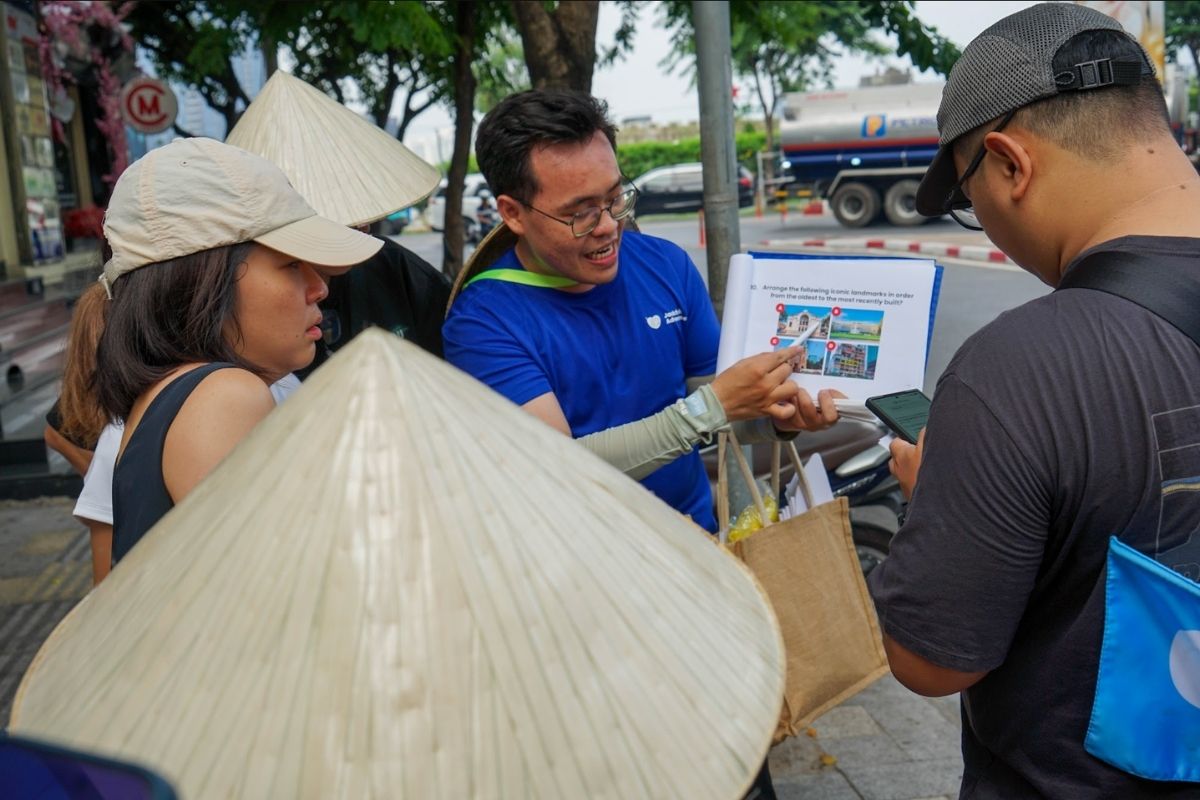
Three conditions, and all three are necessary.
The first is a real agenda — one to three genuine questions rather than a tour of every function. The strongest leadership offsite ideas start by naming what the team has been unable to resolve in normal meetings.
The second is psychological safety, which usually requires shared informal time before the difficult session rather than after it. The third is follow-through: named owners, dates and a scheduled review, without which the offsite becomes an expensive conversation.
The SHRM research links structured shared experiences to stronger engagement, and an offsite is simply that structure applied to a leadership group.
What strategy session formats work?
These leadership offsite ideas reliably produce decisions rather than discussion:
- The pre-mortem. Imagine the strategy failed eighteen months from now — what killed it? Surfaces risks people are reluctant to raise directly.
- Stop, start, continue. Applied to the leadership team’s own behaviour rather than the business.
- The decision inventory. Listing every decision currently stuck, then assigning each an owner and a date.
- Role clarity mapping. Who decides, who consults, who is informed — resolving the ambiguity behind most executive friction.
- The one-page strategy. Forcing the entire plan onto a single page, which exposes vagueness immediately.
- Customer immersion. Reviewing real customer feedback or calls together before strategising.
Among strategy offsite ideas corporate teams find most uncomfortable and most useful, the pre-mortem and the decision inventory consistently top the list.
What activities belong in a leadership offsite?
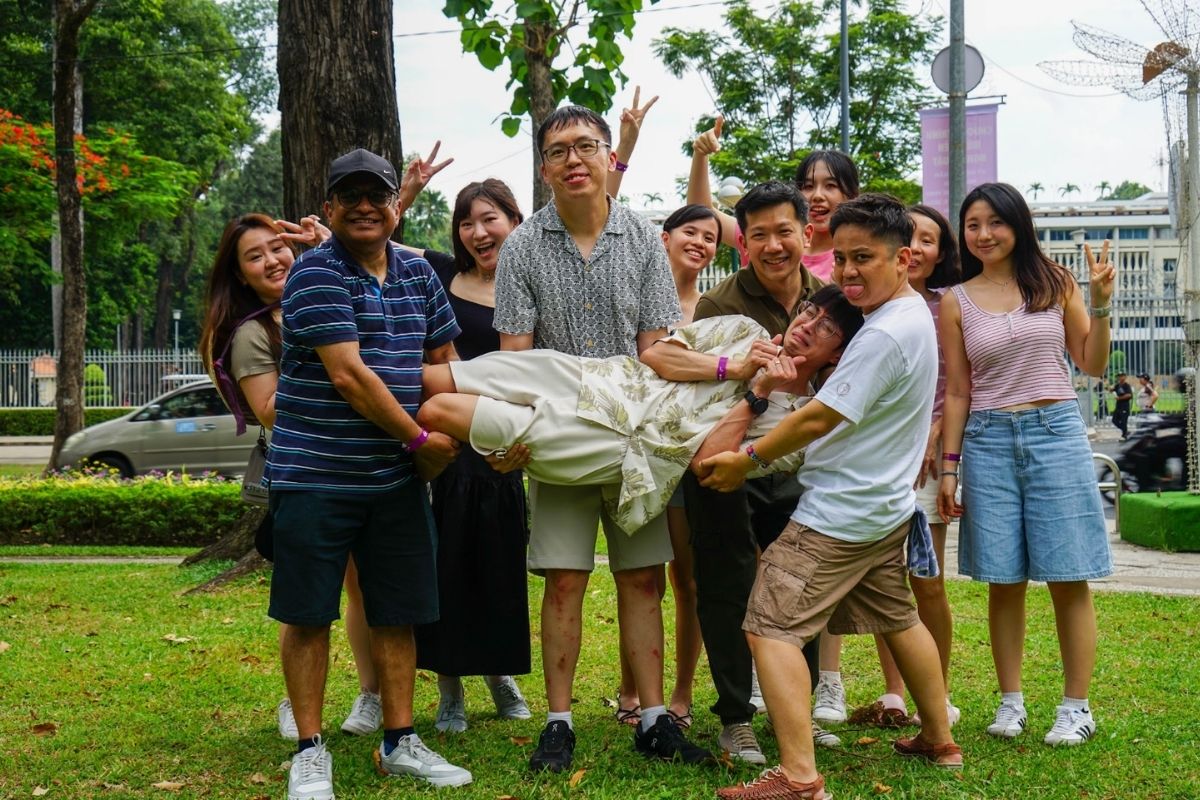
Activity-based leadership offsite ideas serve a specific function — they build the trust that honest discussion requires. They are not entertainment:
- A shared physical challenge. Trekking, kayaking or cycling, where conversation happens side by side rather than across a table.
- A problem-solving exercise. A bridge build or similar, revealing how the group actually collaborates; see problem-solving activities.
- A cultural or CSR element. Shared perspective-shifting, particularly effective mid-programme.
- Unstructured meals. Genuinely the highest-value “”activity”” on most agendas.
The mistake is treating leadership offsite ideas as either all-work or all-reward. The activity exists to make the work session better, which means it belongs before the hard conversation, not after it.
What does a sample two-day agenda look like?
This structure works for a team of eight to twenty and can be adapted in either direction.
Day one afternoon. Arrival and settling, followed by a shared physical activity — a trek, a paddle, something that gets people talking informally. An opening session then frames the offsite’s central questions without attempting to answer them. Dinner is unstructured and long.
Day two morning. The core working block while attention is highest: the pre-mortem or decision inventory, run in a single uninterrupted three-hour session with a break. This is where the offsite either earns its cost or does not.
Day two afternoon. Converting discussion into commitments — owners, dates, and what will be communicated to the wider organisation. A short closing session confirms the review date before departure.
The asymmetry is deliberate. A leadership retreat agenda that front-loads social time and back-loads decisions consistently outperforms one that opens with a strategy session on arrival day.
How long should a leadership offsite be?
For leadership offsite ideas to work, two days and one night is the practical minimum for anything meaningful, and the most common format.
A single day can work for a focused, single-question offsite with a team that already knows each other well, though it loses the informal evening that does much of the trust-building work.
Three days suits a new leadership team, a post-merger integration or a genuine strategy reset. Beyond three days, returns diminish sharply and diary pressure makes attendance unreliable.
Frequency matters more than duration. Two two-day offsites a year outperform one four-day event, because the second is where you discover what actually stuck.
Who should facilitate?
Facilitation is the decision that most affects a leadership offsite, and the honest answer is usually “”not the CEO.””
When the most senior person facilitates, they cannot participate fully, and the group tends to steer toward what they appear to want. An external facilitator lets everyone contribute as a participant and can name dynamics that an internal person cannot safely raise.
What to look for: someone who asks about the real tensions before proposing an agenda, who will abandon the plan when a genuine issue surfaces, and who is comfortable with silence. What to avoid: rigid hour-by-hour schedules and heavy reliance on personality assessments.
For a smaller or highly trusting team, a rotating internal facilitator can work — provided it is genuinely not the person with the most authority.
Where should you hold a leadership offsite?
Venue affects leadership offsite ideas more than most planners credit. The requirements are specific:
- Genuine separation. Far enough that people cannot slip back to the office.
- A proper meeting room with natural light, wall space and no fixed boardroom layout.
- Somewhere to walk. The best conversations happen outside the session.
- Limited distraction. A resort with a golf course and a casino competes with your agenda.
In Vietnam, highland and nature settings suit these criteria particularly well — see our Da Lat, Ninh Binh and Sapa retreat guides, or executive retreat venues near HCMC for something closer to the city.
How do you make the outcomes stick?
Most leadership offsite ideas fail in the fortnight afterwards, and three habits prevent it.
Write commitments down before anyone leaves the room, specifically enough to be checkable. “”Improve cross-team communication”” is not a commitment; “”engineering and sales hold a fortnightly 30-minute sync, owned by Minh, starting the 15th”” is.
Assign a single owner to each, because shared ownership means no ownership. Then schedule the review date while everyone is still in the room — a 45-minute check-in six weeks later does more for durability than anything on the day.
The best leadership offsite ideas include a communication plan too. What the wider organisation hears about the offsite shapes whether it is seen as leadership working or leadership at a resort.
What are the common mistakes?
Five recur reliably:
- Too many topics. Six agenda items produce six shallow discussions and no decisions.
- Presentations instead of work. If a section could have been an email, it should have been.
- No unstructured time. The corridor conversations are often where the real progress happens.
- The CEO facilitating. It suppresses dissent, usually invisibly.
- No follow-up date. The single strongest predictor that nothing changes.
The first is the most common. Executive offsite activities and sessions should be ruthlessly pruned — a two-day agenda with two real questions beats one with eight.
What does a leadership offsite cost?
Leadership offsite costs are dominated by accommodation standard and facilitation rather than activities, since groups are small.
For a team of ten to twenty, the main lines are venue and rooms, meeting space, facilitator fees, one or two activities and catering. External facilitation is the item most often cut and most worth keeping.
Compared with a company-wide event, a leadership offsite is inexpensive in absolute terms — and given that it shapes decisions affecting the whole organisation, the return calculation is unusually favourable. Model the numbers with our company trip budget guide.
A short example: when Aldridge & Co ran a decision inventory at a highland offsite, the team listed nineteen stuck decisions and resolved eleven in a single morning. The client’s comment afterwards was that most had been stuck because nobody knew who owned them, not because they were difficult.
How do you prepare the group beforehand?
Preparation determines whether the first session starts warm or cold, and most offsites waste their opening hour discovering what people already knew.
Send the central questions in advance — not an agenda, but the actual questions the group will wrestle with. People think better when they have had a week to consider something than when they see it on a slide.
A short pre-read helps: the relevant data, customer feedback or performance numbers, circulated early enough to be genuinely read. This removes the presentation section that otherwise consumes a morning.
Some facilitators also run brief one-to-one calls beforehand, which surfaces the issues nobody will raise first in a group. Among leadership offsite ideas, this preparation step has the highest return for the least cost.
Frequently asked questions about leadership offsites
What are the best leadership offsite ideas?
Pre-mortems, decision inventories, role clarity mapping and one-page strategy exercises, paired with a shared physical activity and genuinely unstructured meals.
How long should a leadership offsite be?
Two days and one night is the practical minimum. Three days suits a new team or major strategy reset, and two shorter offsites a year outperform one long one.
Should the CEO facilitate?
Usually not. When the most senior person facilitates they cannot participate fully, and the group steers toward what they appear to want, which suppresses dissent invisibly.
What should the agenda cover?
One to three genuine questions the team has been unable to resolve in normal meetings — not a tour of every function. Fewer topics produce more decisions.
Do leadership offsites need team building activities?
Yes, but as a means rather than an end. A shared physical challenge before the difficult session builds the trust that honest discussion requires.
How do you make offsite outcomes stick?
Write specific checkable commitments before leaving the room, assign a single owner to each, and schedule the follow-up review date while everyone is still present.
What venue features matter most?
Genuine separation from the office, a flexible meeting room with natural light, somewhere to walk, and limited competing distractions such as golf courses or casinos.
What should you send the group beforehand?
The central questions rather than an agenda, plus a short pre-read of relevant data. People think better with a week to consider something than seeing it first on a slide.
How often should a leadership team hold offsites?
Twice a year is a practical rhythm. Two two-day offsites outperform one four-day event, because the second reveals what actually survived from the first.
Plan your leadership offsite
Ready to turn leadership offsite ideas into decisions your team actually makes? Request a free consultation and we will design the agenda, venue and facilitation around your questions — or explore our executive retreats guide and past success stories.
“