”
Island Team Building in Vietnam: Top 6 Choices
An island does something no mainland venue can: it removes the exits. No one slips back to the office, no one takes a call in the lobby — the team is genuinely, usefully stuck with each other.
Island team building in Vietnam turns that natural containment into an advantage, pairing it with beaches, reefs and resorts built for corporate groups. With more than 3,000 kilometres of coastline, the country offers islands for every budget and group size.
This guide compares the six strongest choices for corporate groups — by access, capacity, activities and cost — so island team building Vietnam works for your team rather than the other way round.
Why choose island team building in Vietnam?
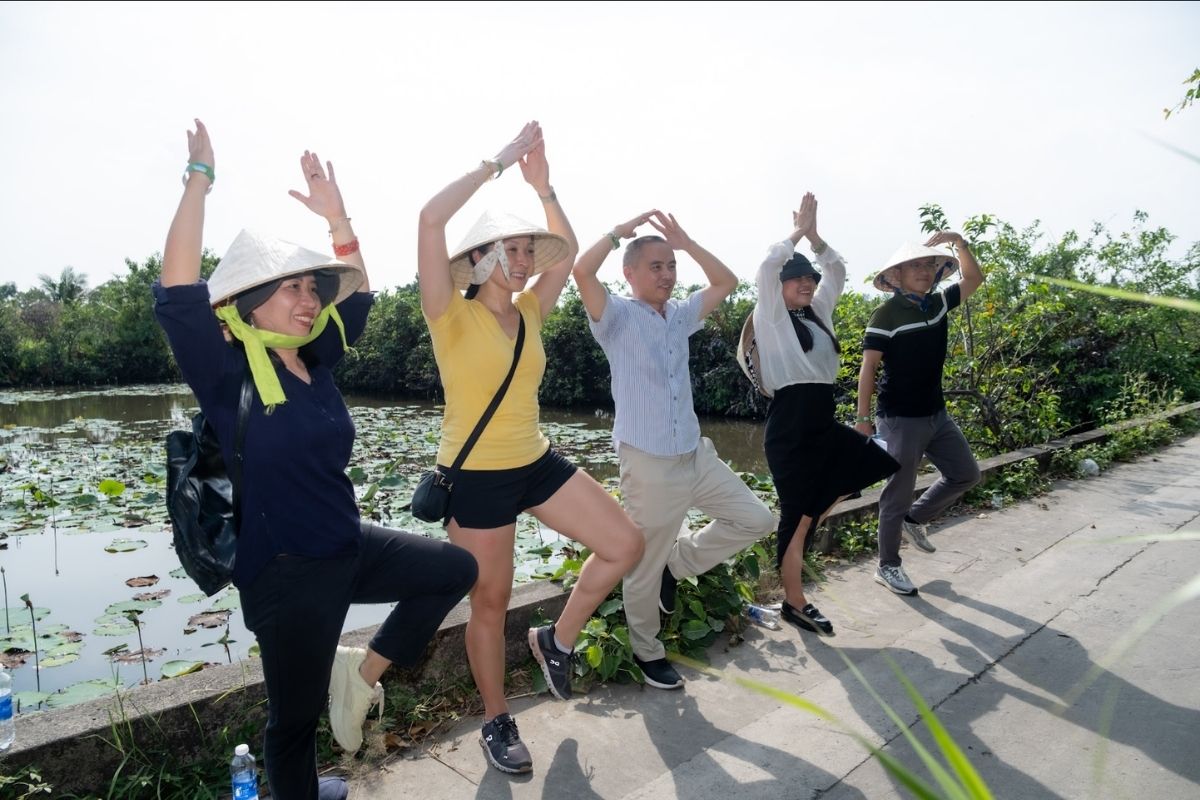
Because isolation works in your favour when island team building Vietnam is designed properly. On an island, the group eats, competes and unwinds together, so bonding happens continuously rather than only during scheduled sessions.
The setting also signals value. Island team building Vietnam feels like a genuine reward, which lifts engagement before the first activity even begins.
And the activity range is wide — island team building Vietnam draws on beaches, reefs, boats and resorts in one place. For the broader coastal picture, see our beach team building guide.
What are the best islands for corporate groups?
Six destinations stand out, each solving a different problem:
- Phu Quoc. The all-rounder — big resorts, an international airport and full MICE capacity; see Phu Quoc team building.
- Con Dao. The exclusive escape — pristine, protected and premium; see Con Dao company trip.
- Hon Tre (Nha Trang). The convenience pick — an island resort 30 minutes from Cam Ranh airport.
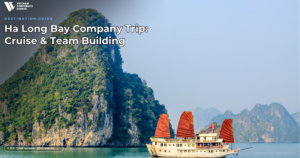
- Cat Ba & Ha Long Bay. The scenery pick — karst islands and cruise-based programmes; see Ha Long Bay.
- Cham Islands. The day-trip option — a short boat ride from Hoi An for snorkelling and beach games.
- Nam Du & the southern isles. The adventurous choice — undeveloped, remote and memorable for small groups.
The right pick depends on group size, budget and how far you are willing to travel, which the comparison below unpacks.
How do the islands compare?
A quick side-by-side makes the trade-offs clear:
- Best for large groups: Phu Quoc — the only island with true large-scale resort and ballroom capacity.
- Best for exclusivity: Con Dao — limited capacity is precisely what makes it feel special.
- Best for easy access: Hon Tre — minimal transfer time from a major airport.
- Best for scenery: Ha Long Bay and Cat Ba — nothing matches the karst seascape.
- Best for a short add-on: Cham Islands — a half-day or day trip from a Hoi An or Da Nang base.
- Best for adventure: Nam Du — raw, remote and unforgettable for a small team.
Among island company trip ideas, the most common mistake is choosing on scenery alone and discovering the capacity does not fit the headcount.
What activities work for island team building?
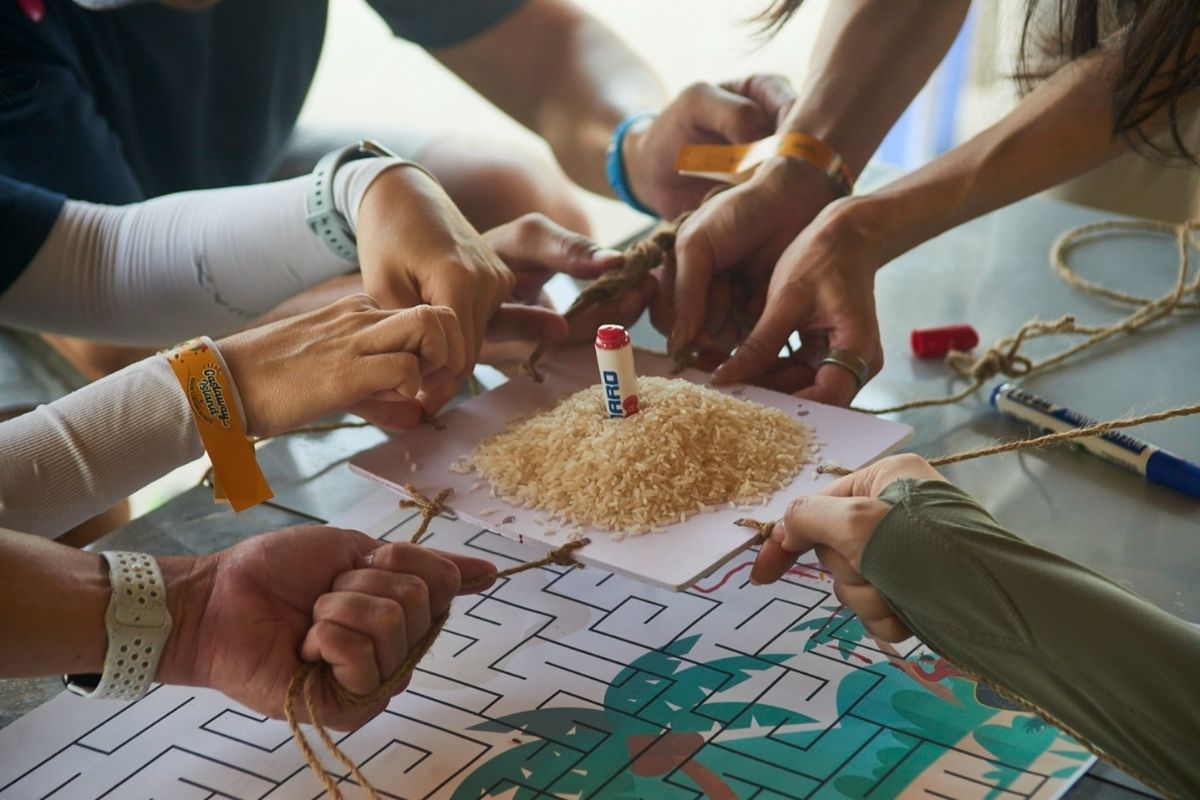
Islands unlock formats the mainland cannot. The strongest island team building Vietnam programmes mix land and water:
- Island-hopping challenges. Teams complete tasks across several islands by boat.
- Snorkelling and reef missions. Underwater challenges in protected waters.
- Raft-build and race. Teams build a craft, then race it offshore.
- Beach olympics. Relays, tug-of-war and sand games; see outdoor games.
- A castaway survival challenge. Shelter, fire and signal tasks on a quiet beach.
- A beach gala and awards. A celebratory close under the stars.
Because boats and water are involved, island team building Vietnam needs qualified safety cover on every water element. The SHRM research links structured shared experiences to stronger engagement, so the strongest programmes score and facilitate these activities rather than leaving them unstructured.
What group sizes suit an island programme?
For island team building Vietnam, capacity is the single biggest constraint, and it varies enormously between islands.
Small teams of 10 to 60 fit almost anywhere, including the exclusive and undeveloped islands. Mid-size groups of 60 to 200 need established resort infrastructure, which narrows the list to Phu Quoc, Hon Tre and the larger Cat Ba properties.
Large groups of 200 to 500-plus realistically mean Phu Quoc, which has the ballrooms, room inventory and flight access to absorb them. A private island event Vietnam for a big group usually means buying out a resort rather than finding a remote islet.
How do the logistics of an island trip work?
Water adds complexity a mainland programme never faces, so island team building Vietnam logistics need extra care. The essentials:
- Access. Flights or ferries, booked early — island capacity fills fast in peak season.
- Boat transfers. Licensed operators with capacity for the full group.
- Weather contingency. Sea conditions can cancel boats, so a land-based plan B is essential.
- Safety. Life jackets and qualified cover for every water activity.
A local partner manages boats, timings and contingencies, which is what keeps an island programme feeling effortless rather than fragile.
How do you choose the right island?
Work backwards from three constraints, in this order: headcount, travel time and budget.
Headcount eliminates most options immediately — if you have 300 people, the choice is effectively Phu Quoc. Travel time comes next: a two-day trip cannot absorb a long flight plus a ferry, so proximity to an airport matters more than scenery.
Budget decides the final shortlist. Only then should you compare beaches. Getting that order right is what separates a smooth programme from an expensive compromise, and our best MICE destinations in Vietnam guide compares the wider field.
What does island team building cost?
Island team building Vietnam generally costs more than mainland equivalents, because flights, ferries and limited resort inventory all add up. Boat-based activities and safety cover add further to the total.
The trade is impact: an island trip feels like a genuine reward in a way a city hotel never does. Model the full picture with our company trip budget guide.
A short example: when Coastline Mutual ran an island-hopping challenge for 140 people off Phu Quoc, the teams that had never met before spent six hours in the same boat solving tasks — and the client reported that the cross-department friendships formed that day outlasted every previous offsite.
What outcomes does island team building deliver?
The containment of an island is the mechanism. With no easy exit, colleagues eat together, compete together and unwind together for the whole trip, so relationships form continuously rather than in scheduled bursts.
Water activities add a second effect. Boats and reefs put people slightly outside their comfort zone in a controlled way, and shared mild challenge builds trust faster than any indoor exercise.
Well-run island team building Vietnam programmes therefore deliver both a reward people genuinely value and measurable cohesion — which is why it remains the format companies repeat year after year.
How do you avoid the common island pitfalls?
Most island programmes that disappoint fail on logistics rather than content. Four issues account for nearly all of it:
- Booking too late. Island capacity is finite and fills fast in peak season.
- Underestimating transfer time. Flights plus ferries eat far more of a short trip than planners expect.
- No weather contingency. One rough sea day can cancel every boat-based activity.
- Mismatching capacity. Choosing an island on scenery, then discovering it cannot host the headcount.
Planning around these four is what makes island team building Vietnam feel effortless to the group, and it is exactly where an experienced local partner earns their fee.
Can an island programme include a CSR element?
Yes, and islands lend themselves to it naturally. Beach clean-ups, reef conservation briefings and marine-protection sessions fit the setting authentically rather than feeling bolted on.
These activities align with the UN Sustainable Development Goals on life below water, giving a reward trip a reportable sustainability dimension. For more formats, see our CSR team building guide.
Adding purpose also changes how a trip is remembered. Teams that leave a place better than they found it tend to talk about the experience differently from those who simply enjoyed a resort.
How far ahead should you book an island programme?
Earlier than any mainland equivalent, because island capacity is genuinely finite. Once the resorts and flights on a given island are full, there is no overflow option nearby.
For island team building Vietnam in peak dry season, four to six months is a sensible lead time for mid-size and large groups. Smaller groups have more flexibility, but the best properties still commit their inventory early.
Booking early also protects the programme design. Late bookings force compromises on venue, boat operators and activity timing — the three things that most affect how island team building Vietnam actually feels on the day.
If your dates are fixed and your headcount is large, treat the island decision as the first thing to lock, not the last.
Frequently asked questions about island team building in Vietnam
Which island is best for corporate team building in Vietnam?
Phu Quoc is the strongest all-rounder thanks to its airport, large resorts and full MICE capacity. Con Dao suits exclusive smaller groups, and Ha Long Bay wins on scenery.
Why is an island good for team building?
Because the group stays together throughout — eating, competing and unwinding in one place — so bonding happens continuously rather than only during scheduled sessions.
What activities can you do on an island programme?
Island-hopping challenges, snorkelling missions, raft-build races, beach olympics and castaway survival tasks, usually closed with a beach gala and awards.
How many people can an island trip handle?
Small groups fit almost any island, mid-size groups need established resorts, and groups of 200-plus realistically mean Phu Quoc, which has the capacity and flight access.
Can you hire a private island in Vietnam?
For most corporate groups a private island event means buying out an island resort or a secluded beach rather than an entire island, which delivers exclusivity with the infrastructure a group needs.
What is the biggest risk with an island trip?
Weather affecting boat transfers. Sea conditions can cancel crossings, so every well-planned island programme carries a land-based contingency.
How far ahead should you book an island trip?
Four to six months for mid-size and large groups in peak dry season, since island capacity is finite and there is no nearby overflow once resorts and flights fill.
Which island is best for a small leadership group?
Con Dao for exclusivity and pristine nature, or Hon Tre if minimal travel time matters more than seclusion.
Plan your island team building programme
Ready to use an island to bring your team together with island team building in Vietnam? Request a free proposal and we will match the island to your headcount, budget and goals — or explore our team building service and past success stories.
“