Corporate Event Photography & Video in Vietnam
A company spends four months and a substantial budget on an evening, then hires a photographer for a few hours with no brief and receives four hundred images of people eating. The event happened. The record of it did not.
Corporate event photography Vietnam suppliers deliver well when they are briefed properly and poorly when they are not, and the difference is almost entirely a shot list written in advance.
This guide covers what to brief, the shots that matter, video formats worth commissioning, cost, turnaround and usage rights.
Why does the coverage matter?
Because the photographs outlive the event by years and do work the event itself cannot.
They become internal communications for staff who did not attend, recruitment material, the launch asset for next year’s incentive programme, and the record of a recognition moment that a winner keeps. The SHRM research links visible recognition to engagement, and a photograph of an award being presented is that recognition made durable.
Against a total event budget, event photo video coverage is a small line — typically two to four percent — with a disproportionate afterlife.
What should the shot list include?
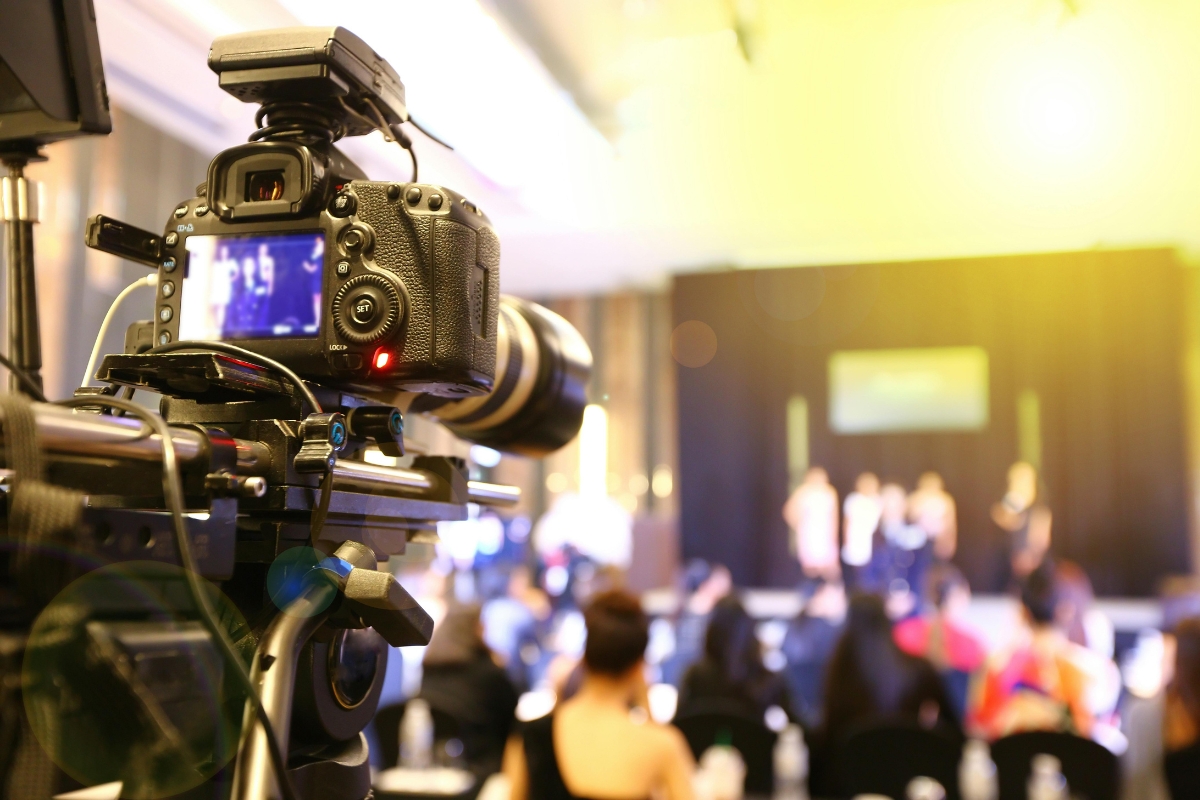
Specificity is the whole point of a corporate event photography Vietnam brief. A brief that says “cover the event” produces general coverage; a list produces the images you actually need:
- The room before doors. Empty, styled, fully lit — the only chance to photograph the setup properly.
- Arrivals at the backdrop. Individual and group shots as guests come in.
- Every award winner with their presenter, trophy visible, against the branded backdrop.
- Leadership speaking, lit from the front rather than silhouetted.
- The entertainment peak and any staff performance.
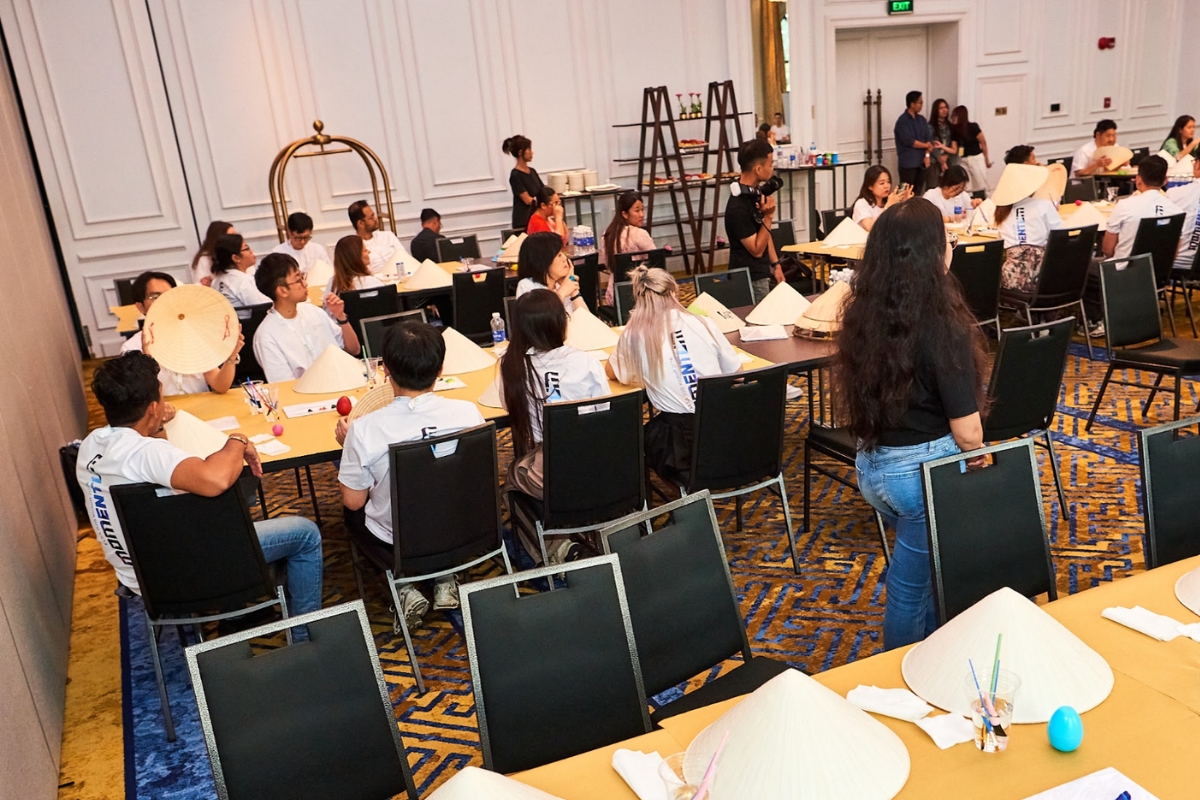
- Candid table shots across the whole room, not only the front.
- Detail shots. Table styling, signage, food, the trophies.
- A group photograph of everyone present.
The two most often missed are the empty room and the back tables. A company event photographer left to their own judgement will over-cover the stage and under-cover the people who were not on it.
How do you brief a photographer?
Five things for any corporate event photography Vietnam brief, given in advance rather than on arrival:
- The run sheet with timings, so they are positioned before each moment rather than reacting to it.
- The shot list, written and agreed.
- Key people identified — leadership, award winners, VIP guests — ideally with photographs.
- Usage. What the images are for, which shapes framing and how much space is left for cropping.
- Sensitivities. Anyone who should not be photographed, and any areas off limits.
The award winner list matters most. A photographer who does not know who is winning cannot be in position, and the moment does not repeat.
How many photographers do you need?
Corporate event photography Vietnam coverage should be scaled to the room and the programme:
- Up to 100 guests, single room. One photographer is sufficient.
- 100 to 300. Two — one covering the stage, one covering the room.
- 300-plus, or multiple spaces. Two or three, with defined zones.
- Multi-day programmes. One per day, with coverage hours agreed rather than assumed continuous.
A single photographer covering a 300-person gala will get the stage and miss the room, or the reverse. That is a briefing constraint rather than a skill one.
What video is worth commissioning?
Four formats, with different purposes and costs:
- Highlights film. Two to three minutes, cut for internal circulation and social use. The most commonly useful.
- Full session recording. For conferences with content worth rewatching; see our hybrid guide.
- Same-day edit. A short film cut during the event and screened before the close — expensive, and genuinely effective.
- Interview capture. Short pieces to camera from staff and leadership, useful for next year’s launch material.
An event videographer Vietnam corporate clients engage should be briefed on which of these is required, since the shooting approach differs entirely. A highlights film needs movement and atmosphere; a session recording needs static, well-audio-ed coverage.
How do you photograph a multi-day programme?
Differently from a single evening, and with a clearer sense of what each day is for.
A company trip or conference spanning three days does not need continuous coverage. Agree specific windows — the arrival and welcome, the main activity, the gala evening, and a group photograph — rather than paying for a photographer to follow the group through free time.
Group photographs need planning. The best moment is usually early in the programme when everyone is present and presentable, rather than at the end when people have left for flights. Schedule it in the run sheet with a named person responsible for assembling everyone.
For activity days, brief the photographer on which moments matter — the team completing a challenge rather than generic action shots — and confirm they have appropriate equipment for beach, water or outdoor conditions.
What determines quality on the night?
Three things determine corporate event photography Vietnam quality, and only one is the photographer.
Light. A room lit only by a bright screen produces silhouettes. Stage lighting is as much a photography decision as a production one; see our AV guide.
Backdrop. A branded, well-lit backdrop with clear space in front makes every award and arrival shot usable. Without one, the images are against whatever happened to be behind.
Positioning. A photographer who knows the run sheet is standing in the right place. One who does not is walking toward the stage as the moment ends.
What does coverage cost?
Corporate event photography Vietnam is priced by hours, photographer count and deliverables.
The variables are coverage duration, number of photographers, whether video is included, editing scope, and turnaround speed. A same-day edit carries a substantial premium because it requires an editor on site throughout.
Corporate event photography Vietnam rates sit well below equivalent markets in Singapore or Hong Kong, which makes it one of the easier lines to fund properly. Given the afterlife of the images, under-spending here is a poor economy.
Should you add a photo booth?
Different from event coverage and worth budgeting separately, because it does a different job.
A photographer produces the record of the event. A photo booth produces content guests make themselves and take away, which generates far more sharing than professional images do. Both have value and neither substitutes for the other.
Practically, a booth needs a lit position away from the main flow, an attendant, props if the theme supports them, and either instant printing or an immediate digital delivery. Branded print templates turn every image into something that carries the event.
Against a full photography budget it is a modest addition, and it consistently rates among the most-mentioned elements in post-event feedback. See our entertainment guide.
What turnaround should you agree?
Specific dates in the contract rather than “shortly after.”
A workable standard: a small selection of edited highlights within 24 to 48 hours while interest is high, the full edited gallery within one to two weeks, and video within two to four weeks depending on complexity.
The 48-hour selection matters more than people expect. Photographs circulated while the event is still being discussed get shared; the same images three weeks later get filed.
Who owns the images?
Agree corporate event photography Vietnam rights in writing before the event, because default positions vary.
Most corporate contracts should specify full usage rights for the client across internal, marketing and recruitment use, in perpetuity. Some photographers retain copyright and grant a licence, which is workable provided the licence covers your actual intended uses.
Also agree whether the photographer may use images in their own portfolio, and whether that requires approval. For events with client guests or sensitive content, this should be restricted.
And handle consent internally: staff should know the event is being photographed and have a way to opt out. That is both good practice and, increasingly, a data protection expectation.
Should you use a local or an international photographer?
Local, in almost every case, and the reasons are practical rather than about cost.
Vietnamese corporate photographers work these venues regularly, know the light in a particular ballroom, and can communicate with venue staff and production crew directly. A photographer flown in has none of that and costs considerably more.
What matters in selection is corporate event experience specifically rather than general skill. Wedding and portrait photographers are often excellent and unfamiliar with the rhythm of an awards ceremony, where the moment lasts four seconds and does not repeat.
Ask to see a full gallery from a comparable corporate event rather than a curated portfolio. The consistency across two hundred images tells you more than the best ten do.
How do you use the images afterwards?
Use corporate event photography Vietnam output deliberately, rather than leaving it in a shared drive.
Circulate the highlights internally within the week with the award citations alongside the photographs — the written recognition and the visual record reinforce each other. Send winners their own images individually.
Then keep them working: recruitment pages, the intranet, next year’s save-the-date, and the launch material for the following incentive programme. Event photo video coverage commissioned once should serve four or five purposes across the year.
A short example: when a Da Nang incentive trip was photographed properly and the images circulated internally the following week, qualification enquiries for the next cycle rose noticeably. The photographs did the motivational work that the announcement email had not.
Frequently asked questions about corporate event photography in Vietnam
What should an event photography brief include?
The run sheet with timings, a written shot list, key people identified with photographs, the intended usage, and any sensitivities or people not to photograph.
What shots are most often missed?
The empty styled room before doors, and candid shots of the back tables. Photographers left without a brief over-cover the stage and under-cover everyone else.
How many photographers do you need?
One up to 100 guests, two for 100 to 300 covering stage and room separately, and two or three above 300 or across multiple spaces.
What video format is most useful?
A two to three minute highlights film for internal circulation. Session recordings suit conferences; same-day edits are effective but expensive.
What determines photo quality on the night?
Stage lighting so speakers are not silhouetted, a branded well-lit backdrop with clear space, and a photographer who knows the run sheet and is already in position.
What turnaround should you agree?
A small edited selection within 24 to 48 hours while interest is high, the full gallery within one to two weeks, and video within two to four weeks.
Who owns the photographs?
Agree in writing before the event. Corporate contracts should specify full client usage rights across internal, marketing and recruitment use, plus whether portfolio use is permitted.
How should images be used afterwards?
Circulate highlights within the week alongside award citations, send winners their own images, then reuse for recruitment, intranet and next year’s launch material.
Brief your event coverage
Want corporate event photography Vietnam coverage briefed against your run sheet, with the shots that matter actually captured? Request a free proposal and we will build the shot list and brief the team as part of the event — or explore our corporate events service and past success stories.