Year-End Party Entertainment: What Works
Companies book a band because a party should have a band, then discover the band plays a forty-five-minute set at exactly the moment three hundred people want to talk to each other. The music was fine. The placement was the problem.
Year end party entertainment is not a shopping list of acts. It is a sequence of moments placed where the room needs them — a lift after the speeches, a peak after the awards, and something to carry the last hour once the formal programme is done.
This guide covers the options that work in a Vietnamese corporate room, where each belongs in the evening, what they cost and which to avoid.
What is entertainment actually for?
Three jobs, and knowing which one you are hiring for prevents most mistakes.
Lifting energy after formal content — the room has sat through speeches and needs releasing. Creating a peak moment that people photograph and describe afterwards. And carrying the social close, when the programme has ended but the party has not.
Different acts serve different jobs. A jazz trio during dinner is background; a lip sync battle is a peak; a DJ is the close. Company party entertainment Vietnam organisers book without deciding the job tends to produce something that does all three badly.
What music options work?
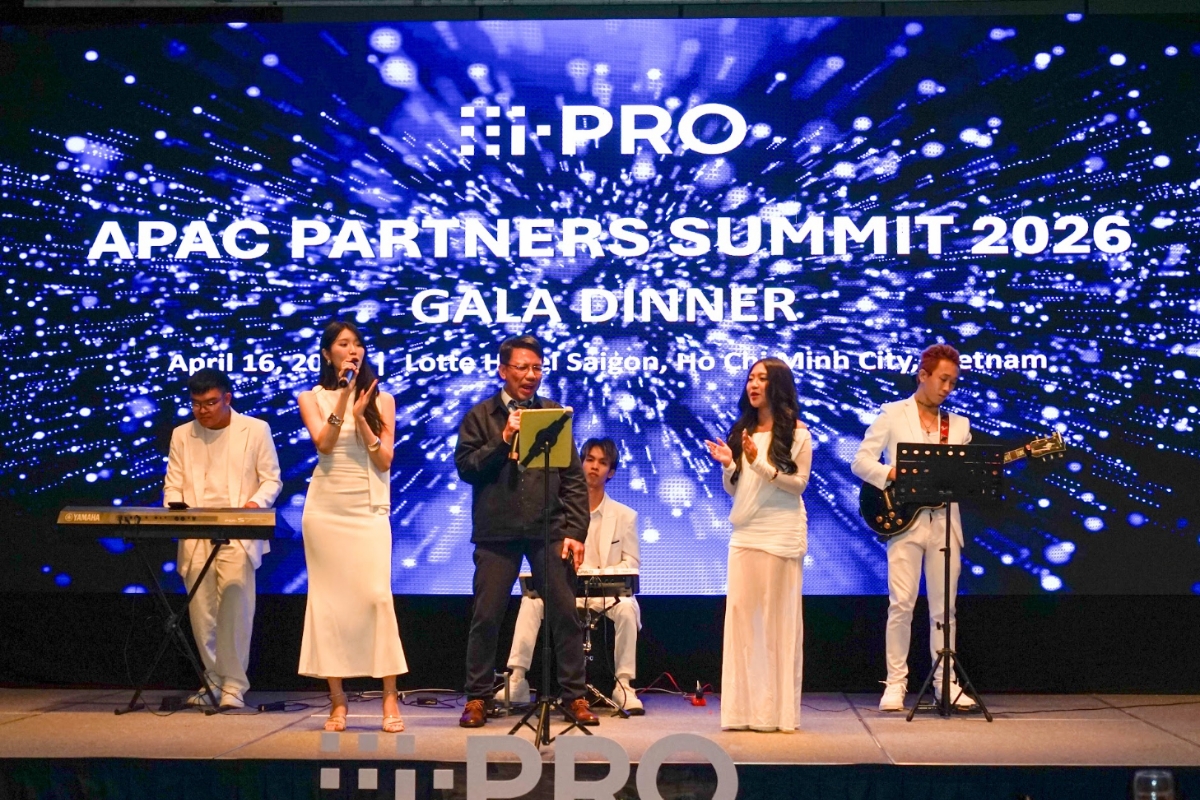
Music is the backbone of year end party entertainment, and the choice depends on the room’s format:
- Jazz or acoustic duo/trio. Reception and dinner background. Sets tone without competing with conversation — the safest choice for a seated gala.
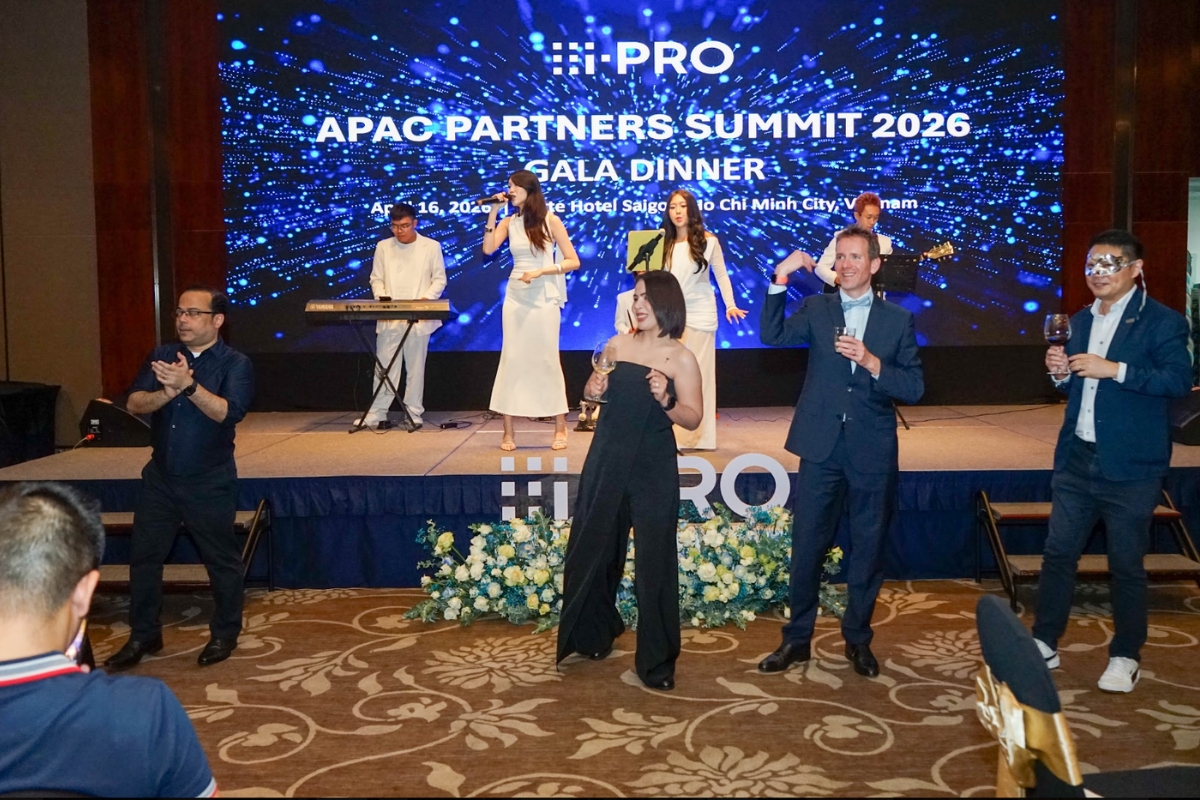
- Cover band. The main entertainment slot after awards. Needs a set list agreed against the room’s age range, not the band’s preference.
- DJ. The social close, and the most cost-efficient option for the final ninety minutes.
- Band plus DJ. A band for the peak, a DJ for the close. The standard configuration for parties above 200.
- Traditional Vietnamese ensemble. Đàn tranh, bamboo flute or a small folk ensemble for arrival — distinctive, calm, and genuinely appreciated by international guests.
The set-list conversation matters more than the band’s showreel. A group that plays brilliantly to a twenty-something crowd will empty a floor of forty-somethings, and vice versa. Agree twenty songs in writing.
What performance options work?
Staged year end party entertainment creates the peak moment, and Vietnam has strong options:
- Traditional dance or ao dai show. Visually striking, culturally grounded, and a highlight for international staff.
- Drumming performance. High energy, no language barrier, excellent as an opener to bring a room to attention; see drumming team building.
- Magician or illusionist. Works close-up during a reception or on stage; strong for mixed-language rooms.
- Dance troupe. Contemporary or themed to match the party; see party themes. For the formal equivalent, see our gala dinner entertainment guide.
- Acrobatic or circus act. A short, spectacular ten-minute peak.
- Water puppetry. Distinctive to Vietnam, best for smaller rooms and international audiences.
Ten to fifteen minutes is the right length for any staged act. YEP performance ideas that run half an hour turn the party into a show, and guests stop talking to each other — which is the opposite of the objective.
Why are staff performances the best entertainment?
Because nothing a professional does will be remembered as long as the finance team’s dance routine.
Staff acts are consistently the highest-rated element of Vietnamese company parties, and the reason is ownership. The room is watching people they know take a risk, which produces a warmth no hired act can manufacture.
- Department lip sync battle. Two or three teams, judged by applause.
- Dance routines. Rehearsed departmental performances, often surprisingly good.
- Band of employees. If the company has musicians, this is a gift.
- Comedy sketch about the year. Internal jokes, handled affectionately.
- Leadership performing. The single highest-impact option available, and free.
The requirement is notice. Two to three weeks minimum so teams can rehearse, plus a stage slot and a sound check. Year end party entertainment built around staff acts costs almost nothing and outperforms most paid alternatives.
What interactive formats work?
These forms of year end party entertainment involve the room rather than performing at it:
- Photo booth with props. The highest-value-per-dong item on any entertainment list. Produces content all night.
- Caricature artist. Guests take home a drawing; queues form naturally during the reception.
- Live event painter. An artist paints the party as it happens, revealed at the close.
- Casino tables with play money. Occupies a standing crowd for an hour.
- Games and lucky draw. Programme-integrated; see party games and lucky draw ideas.
- Silent disco. Solves noise curfews and looks extraordinary in photographs.
The photo booth deserves particular mention. It costs a fraction of a band and generates more shared content than any other element, which matters because those photographs are what the company posts and remembers.
Where does each element belong?
Placement is the decision that most affects whether year end party entertainment works:
- Reception. Acoustic music or a traditional ensemble, plus photo booth and caricaturist.
- Dinner. Background music only. Nothing that demands attention while people eat.
- After the awards. The peak — staff performances or a staged act.
- Mid-evening. A band set of 30 to 40 minutes.
- Social close. DJ to the venue curfew.
The dinner rule is the one most often broken. A band playing through the main course means either people shout over it or they stop talking, and neither is what you paid for. See the agenda template for the full sequence.
What should you avoid?
Five choices that reliably misfire in a corporate room:
- Acts longer than fifteen minutes. Attention goes and the party becomes a recital.
- Comedy that relies on language. Half a bilingual room misses it entirely.
- Anything requiring audience volunteers under pressure. Willing volunteers only, arranged in advance.
- Music that ignores the age range. The most common complaint in post-party feedback.
- Entertainment during dinner service. It competes with the kitchen and loses.
The volunteer point matters. Party show ideas corporate planners like often involve pulling someone on stage, and in a workplace context that can be genuinely uncomfortable for the person chosen.
What does entertainment cost?
Year end party entertainment typically takes 8 to 12 percent of the budget, and the range within that is wide.
A DJ is the most cost-efficient way to fill three hours. A cover band costs several times a DJ for a shorter slot. Traditional performance groups and specialty acts price by act length. Staff performances cost nothing beyond rehearsal time and a sound check.
The efficient configuration for most parties is a photo booth, staff performances for the peak, and a DJ for the close — with a band only if the budget genuinely supports it. See our budget guide for proportions and the band and DJ guide for the comparison.
A short example: when Brightlane cut its cover band and put the saving into a photo booth, a caricaturist and a longer DJ set, post-party feedback improved. The HR lead’s read was that people wanted to talk to each other and take photographs, not watch a band play covers.
How do you brief and contract an act?
Four things in writing, every time:
- Set length and exact stage time, tied to the run sheet rather than “after dinner.”
- Set list or act content, agreed in advance.
- Technical rider — what they need, and who provides it. Most disputes are about who brings the sound system.
- Arrival and sound check time, before doors rather than during the reception.
The SHRM research links shared experience to engagement, and year end party entertainment is the part of the evening most likely to become the shared reference afterwards. It deserves a contract, not a handshake. Our entertainment guide covers supplier selection in more detail.
Do you need a dance floor?
Only if the culture will use one, and organisers are often wrong about this.
Some Vietnamese company parties dance enthusiastically from the moment the DJ starts; others never leave their tables regardless of the music. Ask people who attended last year rather than guessing, and if the answer is unclear, keep the floor small — an empty large floor looks worse than a crowded small one.
How do you match entertainment to the audience?
The most common post-party complaint is about music that suited the organiser rather than the room, and it is entirely preventable.
Map the age range before booking anything. A workforce averaging late twenties and one averaging mid-forties want different set lists, and a band that plays only one will empty the floor for the other. The safe approach is a set list spanning three decades with the busiest hour weighted to the median age.
Consider nationality mix too. In a company with Korean, Japanese or Western staff alongside Vietnamese colleagues, a set that includes recognisable songs from each is a small gesture that the room notices.
And ask. A three-question poll in the RSVP form — favourite song, one you never want to hear again, would you dance — gives the DJ better direction than any brief the organiser can write. Year end party entertainment chosen with that data consistently outperforms entertainment chosen from a showreel.
Frequently asked questions about year-end party entertainment
What entertainment works best at a year-end party?
Staff performances for the peak, a photo booth for content all night, acoustic music at the reception and a DJ for the social close. A band only if budget genuinely supports it.
Why are staff performances so effective?
Because the room is watching people it knows take a risk. Ownership produces a warmth no hired act can manufacture, and it costs nothing beyond rehearsal time.
How long should a staged act be?
Ten to fifteen minutes. Anything longer turns the party into a recital and stops guests talking to each other.
Should a band play during dinner?
No. Dinner needs background music only. A band during service means people either shout over it or stop talking, and neither is what you paid for.
What entertainment suits bilingual rooms?
Visual and musical formats – drumming, dance, magic, acrobatics – that need no language. Comedy relying on wordplay loses half the room.
How much of the budget should entertainment take?
Around 8 to 12 percent. A DJ is the most cost-efficient way to fill three hours; a cover band costs several times more for a shorter slot.
What should be in an entertainment contract?
Exact stage time tied to the run sheet, agreed set list or content, the technical rider with who provides what, and arrival and sound-check times before doors.
Is a photo booth worth it?
Consistently one of the best-value items. It costs a fraction of a band and generates more shared content than any other element of the evening.
Plan your party entertainment
Want year end party entertainment placed where your room actually needs it, with acts vetted and contracted properly? Request a free proposal and we will build the entertainment into the run sheet — or explore our corporate events service and past success stories.