

15 Year-End Party Games That Get People Up
There is a moment at every company party, somewhere after the second course, when the speeches are done and the room does not yet know it is allowed to have fun. What happens in the next fifteen minutes decides the whole night.
Year end party games exist to fill that gap. Run well, they reset the energy, mix tables that have been talking only to themselves, and give the MC something to build from. Run badly, they are the reason people remember the party as awkward.
This guide covers fifteen formats by type — stage, table and whole-room — with timing, group sizes and the rules that separate games people enjoy from games people endure.
What makes a party game work?

Three rules, all about the room rather than the game.
Nobody is exposed alone. The best year end party games put teams or tables in play rather than individuals, so looking silly is shared. Participation is optional but the watching is fun — a game where the audience is engaged works even for people who stay seated.
And it ends before it peaks. A game that runs five minutes too long undoes everything it built. The SHRM research links shared experience to engagement, and the shared part depends on nobody being left out or worn out.
What stage games work for a large room?
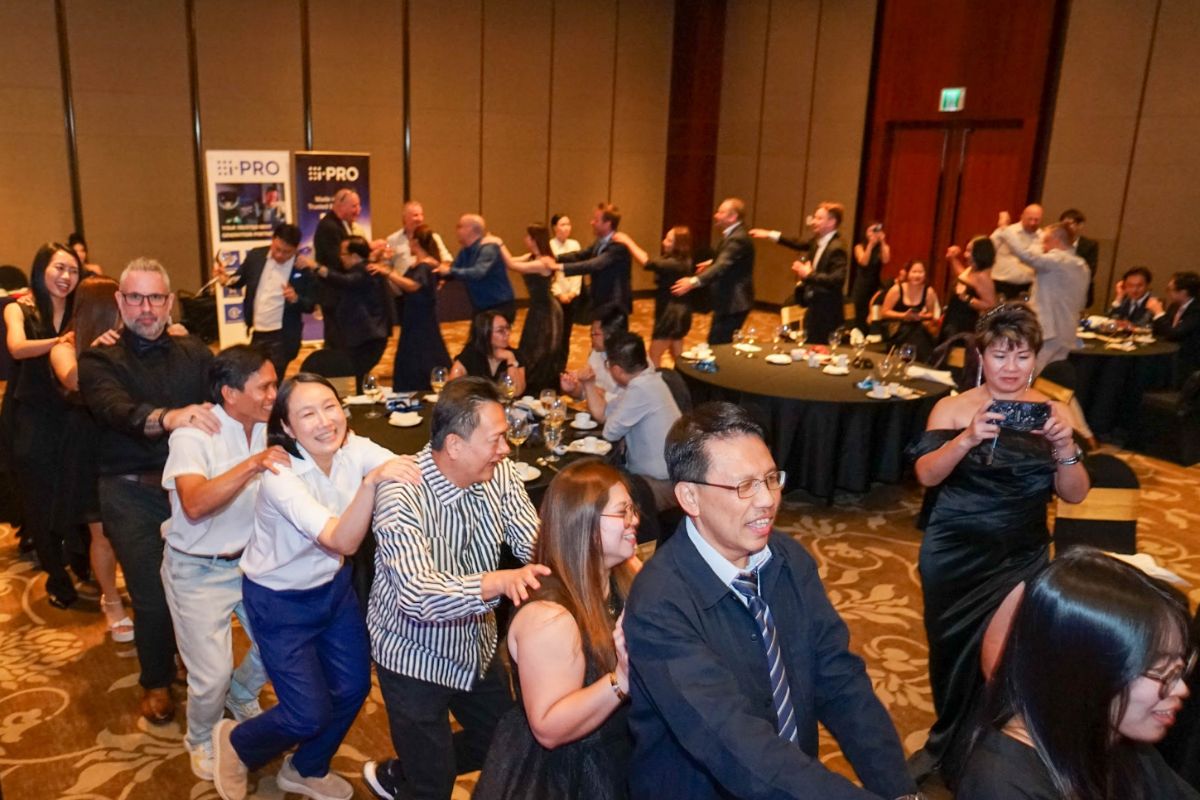
These year end party games bring a few people up and keep the whole room watching:
- Department lip sync battle. Two or three departments, one song each, the room votes by applause. Reliably the highlight when the culture supports it.
- The boss quiz. Leaders answer questions about the company; staff guess who said what. Humanises leadership fast.
- Minute-to-win-it relay. One representative per table, three sixty-second challenges. Fast, visual, and nobody is up for long.
- Guess the colleague. Baby photos or desk photos on screen; tables guess. Works every single time.
- Charades by department. Company-specific words — product names, internal jargon — which makes it funnier than generic charades.
The lip sync battle needs a fortnight of notice so departments can prepare, and an MC who can manage a loud room. It is the one format worth building the evening around.
What table games keep everyone involved?
These year end party games run at every table simultaneously, so participation is universal without anyone leaving their seat:
- Table trivia. Five rounds on screen, answer sheets per table, company-specific rounds mixed with general ones.
- Year in review quiz. Questions about what the company actually did this year — launches, moves, new hires. Doubles as a recap.
- Table bingo. Squares based on things that happen during the night; first table to complete wins.
- Build a toast. Each table writes a one-line toast to another table, read aloud by the MC.
- Predictions for next year. Tables submit predictions; sealed and opened at next year’s party. Creates a thread between events.
Table trivia is the workhorse of company party games ideas because it involves everyone, needs no preparation from guests, and gives the MC a scoreboard to reference all night.
What whole-room games work?
These year end party games involve everyone at once, and suit the later, looser part of the evening:
- Lucky draw with a twist. Winners must do a small forfeit — a dance move, a company fact — before collecting. See lucky draw ideas.
- Human bingo. Find colleagues matching squares. Best as an arrival activity during the reception.
- Silent disco moment. Headphones out, three channels, the room split into dance camps. Photogenic and inclusive.
- Company awards live vote. Fun categories voted on phones in real time; see award ideas.
- Balloon drop countdown. The simplest closer there is, and still the one people photograph.
Whole-room formats are the YEP activities most likely to produce the photographs that circulate afterwards, which matters more than it sounds.
When should games run?
Timing shapes year end party games more than the choice of game.
Arrival games such as human bingo work during the reception, when people are standing and mixing. Table games run between courses, filling the gaps while plates are cleared. Stage games belong after the main course and the awards, when the room has eaten and attention is high.
Whole-room games close the evening. Running a stage game before dinner, when people are hungry and still formal, is the most common mistake in year end party games scheduling. See our agenda template for where each slot sits.
How long should each game take?
Shorter than instinct suggests, always.
- Table games. Five to eight minutes per round, no more than three rounds per gap.
- Stage games. Ten to fifteen minutes including setup and results.
- Whole-room games. Five to ten minutes, once.
- Total games time. Thirty to forty-five minutes across the whole evening, spread out.
A party where games total more than an hour has become a games night with dinner attached, and most of the room did not sign up for that.
How do you match games to the group?
Group size and culture change which year end party games land.
For 30 to 80 people, table games and one stage game are sufficient; whole-room formats feel thin. For 100 to 300, the full range works. Above 300, stage games need a big screen so the back of the room can see, and table games need a scoring system that can handle forty tables.
Formal cultures prefer trivia and quiz formats that reward knowledge. Informal cultures take to lip sync and charades. Mixed-nationality teams need year end party games that do not depend on language — visual, physical and musical formats travel best; word games do not.
What should you avoid?
Five formats that appear on every list and reliably disappoint:
- Anything that singles out one person to be embarrassed. Different from a team looking silly together.
- Drinking games. A meaningful share of any workforce does not drink, and the rest have to get home.
- Games needing long rules. If the MC spends three minutes explaining, the energy is gone.
- Anything physical in formal wear. Sack races in gala dresses do not work.
- Games with no clear end. Every game needs a winner and a moment of applause.
The first is the important one. Party games for staff event organisers choose should make the room laugh with people, never at one person.
Who should run the games?
The MC, and this is a large part of why the MC booking matters more than any other.
A good MC reads whether the room is ready, cuts a game that is flagging, and turns a flat result into a laugh. A weak one reads rules off a card and lets a stage game run twelve minutes past its peak. See our guide to hiring an MC, and the MC script guide for how the games are written in.
Scoring needs a separate person. The MC cannot host and count answer sheets at the same time.
What do games cost?
Almost nothing, which is the point.
Table trivia needs printed sheets and a screen. Stage games need props that cost less than one table’s wine. Lucky draws need prizes, which are a separate budget line. The only real cost is the MC’s time in the run sheet and a scorer.
Against that, year end party games are the element of the evening most likely to be remembered and photographed, which makes them the highest-return line in the budget.
A short example: when Coastline Mutual added a department lip sync battle to a party that had previously been dinner and speeches only, the feedback score for “most enjoyable moment” moved from the lucky draw to the battle by a wide margin — for the cost of a Bluetooth speaker and a fortnight’s notice.
How do you brief the room?
Games that need preparation must be announced with the invitation, not on the night.
A lip sync battle or department performance needs two to three weeks so teams can rehearse. Quiz and trivia formats need nothing. Anything with a costume or prop element should be optional and said to be optional.
On the night, the MC introduces each game in under thirty seconds, demonstrates rather than explains, and starts before the room has time to hesitate. See our funny team building games guide for more formats that transfer to a party setting.
How do you score and reward?
A running scoreboard is what turns a sequence of games into a single competition with a story.
Award points per table across every game — trivia rounds, stage challenges, even applause volume for the lip sync battle — and show the leaderboard on screen between courses. Tables that are behind start trying, and tables that are ahead start defending, which is exactly the energy the room needs.
Prizes should be modest and slightly absurd rather than valuable. A trophy, a bottle of something, bragging rights until next year. Valuable prizes make people argue about scoring; silly ones make them laugh about it.
Declare the winning table as the last item before the social close, so the year end party games end on applause rather than fading out.
Frequently asked questions about year-end party games
What are the best year-end party games?
A department lip sync battle for the highlight, table trivia for universal participation, guess-the-colleague photos, minute-to-win-it relays, and a lucky draw with forfeits.
When should games run during the party?
Arrival games in the reception, table games between courses, stage games after the main course and awards, and whole-room games to close.
How long should games take in total?
Thirty to forty-five minutes across the whole evening, spread out. More than an hour turns the party into a games night with dinner attached.
What games suit mixed-nationality teams?
Visual, physical and musical formats – photo guessing, lip sync, minute-to-win-it – which do not depend on language. Word games and puns do not travel.
Who should run the games?
The MC, with a separate person scoring. A good MC reads the room, cuts a flagging game and turns a flat result into a laugh.
What games should you avoid?
Anything that singles out one person, drinking games, formats with long rules, physical games in formal wear, and games without a clear winner and end.
Do party games need preparation from staff?
Only performance formats such as lip sync battles, which need two to three weeks notice. Quiz and trivia formats need nothing from guests.
Are games suitable for a formal gala?
Yes, with the right choice. Table trivia, the boss quiz and a photo guessing round suit formal rooms; sack races and charades do not.
Plan your year-end party programme
Want year end party games built into a programme with an MC who can actually run them? Request a free proposal and we will design the games, scoring and run sheet around your room — or explore our corporate events service and past success stories.