”
The Real Benefits of Team Building (with Evidence)
Ask most people about team building and they picture a trust fall. Ask them whether it works and they will shrug. Both reactions are earned — because a great deal of what gets sold as team building genuinely does not work.
The honest position on team building benefits for employees is that the format matters enormously. Well-designed programmes produce measurable improvements in collaboration and retention; poorly designed ones produce an expensive afternoon and mild resentment.
This guide covers what the evidence supports, what it does not, how to measure return, and what separates programmes that work from the ones that gave the category its reputation.
What does team building actually improve?
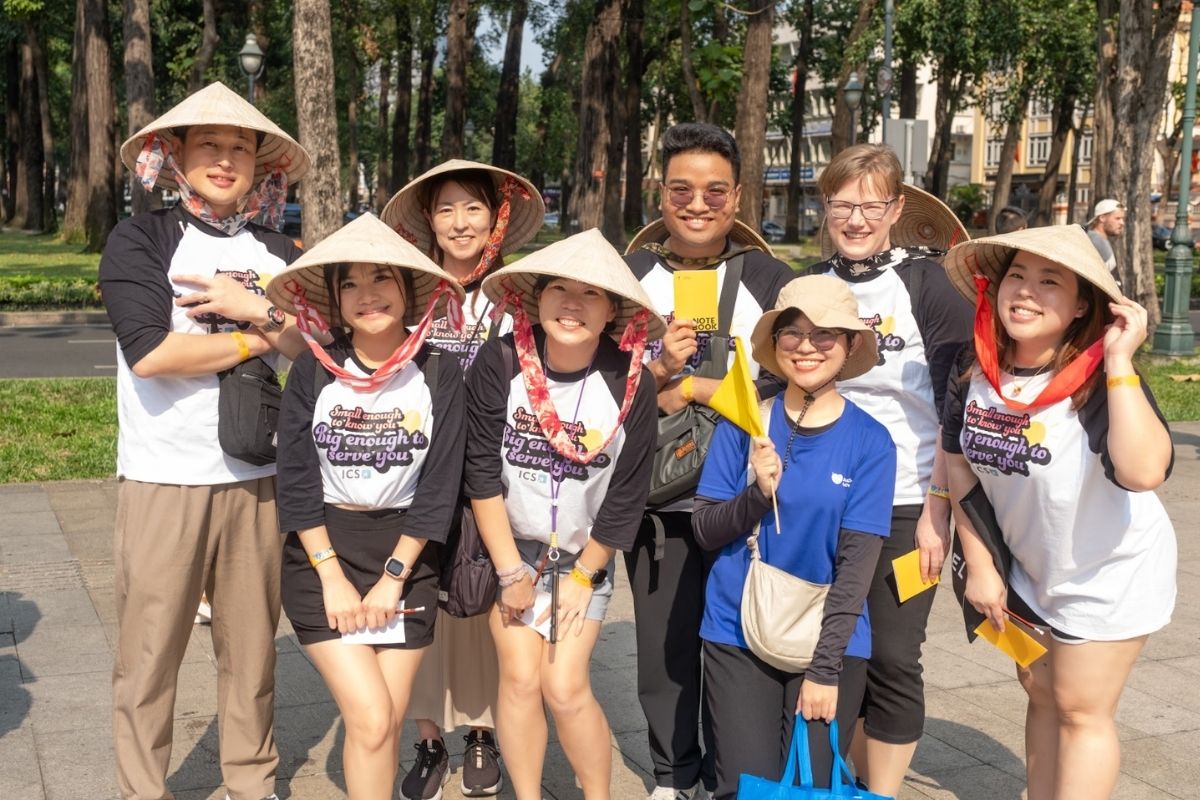
Four team building benefits for employees are reasonably well supported, and they are worth stating precisely rather than broadly.
Communication and familiarity. People who have worked together in an unfamiliar setting communicate more readily afterwards. This is the most reliable of the team building benefits for employees, and the easiest to observe.
Cross-department connection. Structured mixing creates working relationships that would not otherwise form, which reduces friction at organisational handoff points.
Psychological safety. Shared informal experience makes people marginally more willing to raise problems and admit mistakes — a small shift with disproportionate operational value.
Recognition and morale. Being invested in signals value, and the SHRM research consistently links recognition and structured shared experience to stronger engagement and retention outcomes.
What does it not improve?

This section matters more than the last one, because overclaiming is why the category is treated cynically.
Team building does not fix a bad manager. It does not resolve structural problems such as unclear roles, unrealistic workloads or broken processes. It does not compensate for uncompetitive pay, and it does not repair trust that has been damaged by how the organisation actually behaves.
Worse, a team-building day scheduled while a genuine grievance is unaddressed reads as avoidance, and employees are extremely good at detecting that. Understanding why team building matters requires being equally clear about what it cannot do.
Why do so many programmes fail?
Five failure modes prevent team building benefits for employees from materialising:
- No objective. “”We should do something”” produces an activity with no criteria for success.
- No debrief. Without reflection, an activity is entertainment. The conversation is where learning happens.
- Forced participation. Compulsory fun generates compliance, not engagement.
- Wrong format for the group. Physical challenges for a mixed-ability team, improv for engineers.
- No follow-through. Commitments made on the day, never revisited.
The debrief omission is the most consequential and the most common. A structured twenty-minute conversation converts an activity into a learning experience, and it is routinely skipped because the buffet is open.
How do you measure the return?
The ROI of team building is measurable, though not through the mechanisms most companies attempt.
Immediate satisfaction scores are the weakest measure. People are positive straight after a nice day out, and that tells you almost nothing about whether anything changed.
Three better measures, covered in full in our guide to measuring team building ROI:
- Commitment follow-through at six weeks. Of the specific commitments made, how many are actually operating?
- Network mapping. Can participants name colleagues in other departments they now approach directly? Compare before and after.
- Retention and engagement trends over two to four quarters, against comparable teams.
Cost-of-attrition comparison is the argument that lands with finance. Replacing one mid-level employee typically costs a substantial multiple of a team-building budget, so a programme that measurably affects retention pays for itself without needing softer justifications.
What makes a programme actually work?
Six design factors determine whether team building benefits for employees actually appear:
- A named objective. One sentence describing what should be different afterwards.
- Format matched to the group. By department, seniority and physical ability; see department team building.
- Deliberate mixing. Assigned cross-department groups rather than self-selection.
- Genuine optionality. Equal-status alternatives for anyone who cannot or would rather not participate.
- A structured debrief. Specific behavioural questions, bridged explicitly to work.
- Follow-through. Named owners and a scheduled review date.
The deliberate mixing point is the highest-return decision available. It is free, takes ten minutes to arrange, and is the difference between an event that connects an organisation and one that reinforces its existing silos.
Does frequency matter more than scale?
Consistently, yes — and this is where most budgets aimed at team building benefits for employees are misallocated.
One large annual event produces a spike of goodwill that decays within weeks. Several smaller programmes across the year create a rhythm, so cohesion is maintained rather than restored once a year.
A practical pattern for most companies: one substantial annual programme, two or three shorter department or half-day sessions, and lightweight regular activity that costs almost nothing.
The employee engagement team building effect compounds with repetition in a way it does not with scale. Two modest sessions six months apart typically outperform one lavish event.
Which formats deliver which benefits?
Matching format to outcome is what makes a programme defensible:
- Communication and decision-making → problem-solving challenges; see problem-solving activities.
- Trust and mutual reliance → adventure and physical challenges with real stakes.
- Cross-department connection → large mixed-team formats; see survivor team building.
- Morale and recognition → reward trips and celebrations; see incentive travel ideas.
- Purpose and shared values → CSR programmes; see CSR team building.
- Specific capability development → facilitated workshops; see team building workshops.
- Integrating new starters → onboarding-specific formats; see team building for new employees.
Choosing by outcome rather than by novelty is what allows a budget holder to be told what the money bought.
What about employees who dislike team building?
A meaningful proportion of any workforce does, and they experience few team building benefits for employees as a result; and dismissing that is a mistake — their objections are usually well founded.
Common reasons include past experiences of forced participation, discomfort with performance-based activities, physical or health limitations, caregiving responsibilities affecting timing, and the reasonable view that the day would be better spent working.
The response is design rather than persuasion. Genuine opt-outs without social cost, activities that do not require performance, respect for working hours, and a clear explanation of purpose all reduce resistance substantially.
A programme that a quarter of the team dreads is not delivering team building benefits for employees to that quarter, whatever the average feedback score says.
Does it work for remote and hybrid teams?
Partially, and the honest assessment is that virtual formats are weaker.
Video-based activities can maintain relationships that already exist and provide useful structure for distributed teams, but they are poor at forming new relationships from scratch. The informal interaction that does most of the work in person is largely absent.
The practical approach for distributed teams is to concentrate budget on infrequent in-person gatherings rather than spreading it across frequent virtual ones. One in-person day a year establishes relationships that virtual contact can then sustain; the reverse rarely works. See our virtual team building guide.
How much should you spend?
Less than most vendors suggest, and more deliberately.
The most effective interventions are frequently the cheapest — deliberate seating, structured coffee rotas, a facilitated debrief. Expensive elements such as venue standard and production affect enjoyment more than they affect outcomes.
Where budget genuinely matters is facilitation. A skilled facilitator running a modest activity produces more than a poor one running a spectacular programme, because the debrief is where the value is created.
Model the numbers with our team building cost and company trip budget guides, and see in-house vs outsourced team building for whether to run it yourself.
A short example: when Brightlane reallocated a third of its annual event budget into three smaller quarterly sessions with proper facilitation, the annual engagement survey moved more than it had in the previous two years. The total spend was identical.
What should you tell your budget holder?
The case that works is specific rather than aspirational.
State the objective in operational terms — reducing handoff friction between two functions, integrating a cohort of new hires, retaining a team after a difficult period. Attach a measure to it, and propose a review point.
Then frame the cost against the alternative. The ROI of team building compares favourably with the cost of replacing even a small number of employees, and that comparison is more persuasive than any argument about morale.
What does not work is presenting team building as inherently valuable. Budget holders have heard that, and they have also seen the trust-fall photographs.
How long do the effects last?
Shorter than most companies hope, which is the strongest argument for frequency over scale.
The morale and energy effect typically decays over a few weeks. The relationship effect lasts considerably longer — colleagues who have connected tend to stay connected, and that is where the durable value sits.
Behavioural change lasts only as long as it is reinforced. A commitment made at a session and never revisited disappears within a month, whereas one with an owner and a review date can become permanent.
This is why the follow-up matters more than the activity. Companies that schedule a six-week check-in see team building benefits for employees persist into the following quarter; those that treat the day as complete in itself see the effect fade and then wonder whether the category works at all.
What should you do the week after?
The week following a programme determines whether anything survives, and it is almost entirely neglected.
Three actions cover most of it. Circulate the specific commitments made, with the named owner against each, so nothing depends on memory. Share the photographs and a short summary, which extends the recognition effect and reaches people who did not attend.
Then confirm the review date in calendars while the session is still recent. A meeting scheduled six weeks out, in the diary, is what converts intentions into changes.
None of this costs anything, and it is the difference between a programme that delivers team building benefits for employees into the following quarter and one that produces a pleasant memory and nothing else.
Frequently asked questions about team building benefits
What are the real benefits of team building?
Improved communication and familiarity, cross-department connection, marginally higher psychological safety, and recognition effects that support engagement and retention.
What can team building not fix?
A bad manager, unclear roles, unrealistic workloads, broken processes or uncompetitive pay. Scheduling an activity while a genuine grievance is unaddressed reads as avoidance.
Why do team building programmes fail?
No objective, no debrief, forced participation, a format mismatched to the group, and no follow-through. The missing debrief is the most common and most consequential.
How do you measure team building ROI?
Commitment follow-through at six weeks, network mapping before and after, and retention and engagement trends over two to four quarters. Immediate satisfaction scores are the weakest measure.
Is frequency better than scale?
Consistently, yes. Several smaller programmes across a year maintain cohesion, whereas one large annual event produces a spike of goodwill that decays within weeks.
What about employees who dislike team building?
Their objections are usually well founded. Genuine opt-outs without social cost, non-performance activities, respect for working hours and a clear purpose reduce resistance substantially.
Does virtual team building work?
Partially. It maintains existing relationships but is poor at forming new ones. Concentrating budget on infrequent in-person gatherings usually beats frequent virtual sessions.
Design a programme that works
Ready to build a programme that delivers real team building benefits for employees rather than a photogenic afternoon? Request a free consultation and we will start from your objective and attach a measure to it — or explore our team building service and past success stories.
“