Gala Dinner Seating Plans: A Practical Guide
Let people sit where they like and the room reassembles the office floor plan within ninety seconds. Finance finds finance, engineering finds engineering, and an evening intended to connect a company connects nobody who was not already connected.
A gala dinner seating plan is the cheapest lever available to an organiser. It takes an afternoon, costs nothing, and does more for cross-department relationships than most team-building budgets.
This guide covers table sizes and layout, who to seat where, handling VIPs and partners, and getting three hundred people seated without a queue at the door.
Why bother with assigned seating?
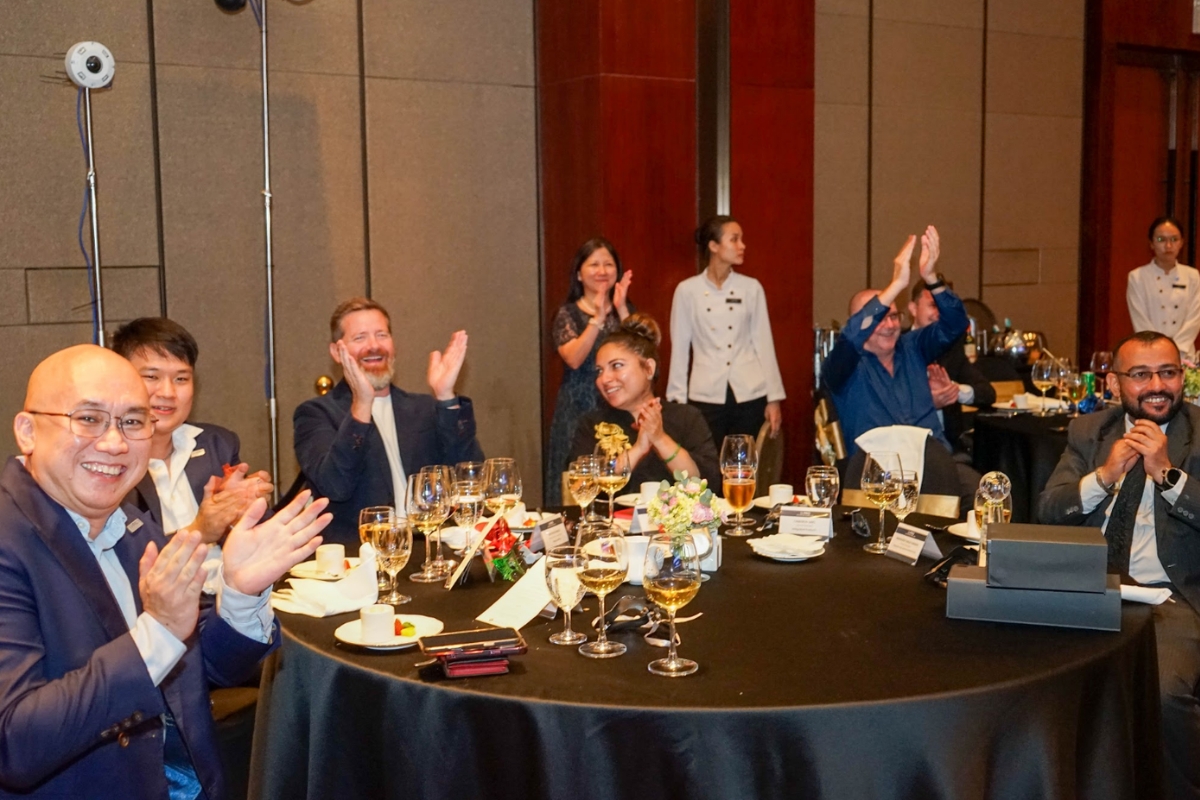
Three reasons, and the first is the whole point of the evening.
Deliberate mixing puts people at a table with colleagues they email but have never met. That is the single highest-return decision in gala planning, and it is free. The SHRM research links cross-team connection to engagement, and a seating plan is the only mechanism at a gala that produces it reliably.
The second is service. A kitchen delivering special meals needs to know which seat, not which room. The third is dignity — a gala dinner seating plan prevents the scene where two late arrivals circle a full room looking for chairs.
What table size works best?
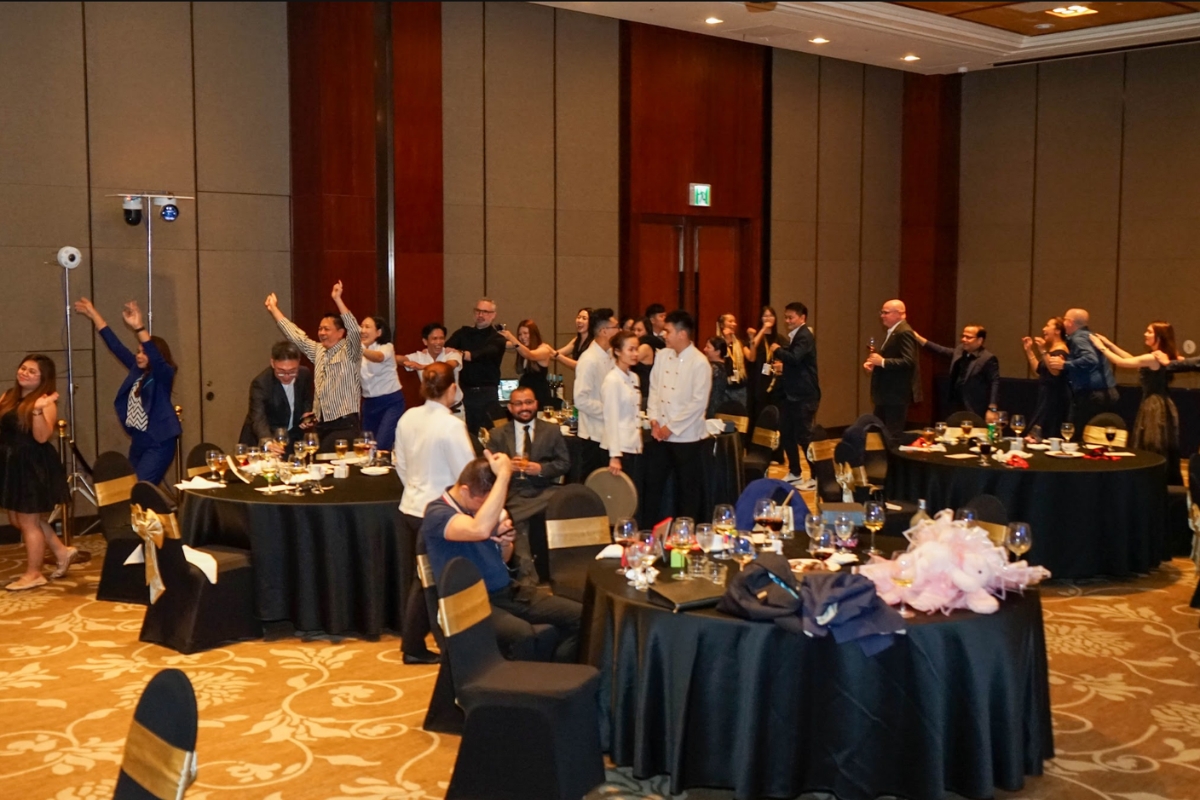
For a gala dinner seating plan, round tables of ten are the standard for a reason, and the reason is conversation.
At eight, the table is intimate but the room needs more tables and floor space. At ten, everyone can hear across the table and nobody is stranded. At twelve, the table splits into two conversations and the people opposite become strangers again.
Long banquet tables suit smaller galas of under 80, where one continuous table creates a single event. Above that they fragment badly, and anyone in the middle can talk to four people all evening.
For a banquet seating arrangement corporate rooms use most often, tables of ten with a clear sightline to the stage from every seat is the target.
How should the room be laid out?
Gala dinner seating plan layout decisions affect the evening more than they appear to:
- No seat with its back fully to the stage. Angle the tables so everyone can turn without moving a chair.
- Leadership spread across the room, not clustered at a top table. One senior person per few tables changes the room’s feel entirely.
- Aisles wide enough for service and for award winners to reach the stage without climbing over chairs.
- The dance floor sized to the room — an empty large floor looks worse than a crowded small one.
- Tables numbered visibly from the entrance, with numbers high enough to see over standing guests.
The top-table question deserves emphasis. A traditional head table signals hierarchy at exactly the event where the company is trying to say the opposite. Distributed leadership seating is almost always the better choice.
Who should sit with whom?
The composition rules that make a gala dinner seating plan work:
- Mix departments deliberately. Aim for three or four functions per table.
- Mix seniority. A table of all juniors and a table of all directors both under-perform.
- Mix tenure. Put new starters with people who can introduce them onward.
- Seat one confident conversationalist per table. They carry the first twenty minutes.
- Keep partners together with their colleague — always.
- Respect language. Ensure nobody is the only speaker of their language at a table.
- Avoid known conflicts. Seating two people in an active dispute together is not a reconciliation strategy.
The language rule is frequently missed in Vietnamese companies with international staff. A single foreign colleague at a table where the conversation naturally runs in Vietnamese will have a long evening, and the reverse is equally true.
How do you handle VIPs and clients?
External guests need different treatment from staff.
Spread clients and partners across several tables rather than seating them together — they came to meet your company, not each other. Assign a named internal host to each external guest, briefed to look after them and make introductions.
Seat them within clear sight of the stage, since they are watching the programme with fresh eyes. And put their names on the seating list under the company they represent, so anyone directing guests knows who they are dealing with.
For a corporate event seating chart with a sponsor involved, agree table allocation in writing during contracting rather than negotiating it the week before.
How do you build the plan?
A workable gala dinner seating plan process for 200 to 400 guests:
- Start from confirmed RSVPs, not the headcount estimate. See our invitation guide for collecting the data.
- List every guest with department, seniority, language and partner.
- Place VIPs and external guests first, then leadership across the room.
- Fill tables by mixing rules, one table at a time.
- Check every table against the seven composition rules.
- Mark dietary requirements by seat for the kitchen.
- Lock it a week out, then handle changes by exception only.
Expect to redo two or three tables at the end. A gala dinner seating plan is a constraint-satisfaction problem, and the last few guests never fit neatly.
How do you get people seated quickly?
The transition from reception to seated is where a well-planned gala most often stalls.
Post the seating list at the entrance in two or three identical copies to prevent a single queue, sorted alphabetically by surname rather than by table. Put table numbers on tall stands visible from the doorway. Station staff in the room to point rather than leaving guests to search.
Then have the MC make a clear seating call, wait, and make a second one. Three hundred people take ten minutes to seat even when everything is right, and building that into the run sheet prevents the first course arriving to a half-empty room.
Place cards on each table remove the last ambiguity. For 200-plus they are worth the printing cost.
What about last-minute changes?
They will happen, and the plan should absorb them rather than break.
Hold two seats free per ten tables for late confirmations and no-shows. Keep the master plan with one named person who has authority to reseat, rather than distributing an editable copy. And print the final version on the morning, not two days before.
If a table ends up short, consolidate rather than leaving a half-empty table visible in the room — a table of four in a room of tables of ten reads as a mistake to everyone who sees it.
A short example: when Northwind moved from open seating to an assigned gala table plan mixing three departments per table, the most-cited feedback comment shifted from “good food” to naming specific colleagues people had met. Nothing else about the evening changed.
Does assigned seating annoy people?
Some, briefly, and the framing manages it.
Tell people in the invitation that seating is assigned to help everyone meet colleagues from other teams, so it reads as intentional rather than controlling. Keep partners together, which removes the most legitimate objection. And release the room after dessert, so the second half of the evening is unstructured.
The mild irritation of not choosing a table lasts twenty minutes. The value of a genuinely mixed room lasts the rest of the evening, and occasionally longer. See our gala planning checklist for where seating sits in the timeline.
What about seating for very large galas?
Above 500 guests the process changes from a puzzle into a system.
Build the plan by department block rather than by individual, assigning each department a set of tables and then mixing at the edges — so engineering occupies five tables that each include people from two other functions. This preserves most of the mixing benefit at a fraction of the effort.
Use a numbered zone system so the room is divided into four or five lettered areas, and print the zone on the entrance list alongside the table number. Directing 600 people to “Zone C, table 41” is far faster than to “table 41” alone.
And accept that at that scale a small number of people will end up somewhere imperfect. The plan needs to be good, not flawless, and an evening spent chasing the last three seats is an evening not spent on the run sheet.
How do you present the plan to guests?
Three formats, and most galas use two of them together.
The entrance list is the primary tool — alphabetical by surname, with the table number beside each name, printed large and duplicated so several people can read at once. Sorting by table rather than by name is the single most common error, since guests know their name and not their table.
Place cards on the table remove the final ambiguity about which seat, and are worth the printing cost above 200 guests. They also let you position the confident conversationalist and any special meal precisely.
A digital option — a QR code linking to a searchable list — works well for younger workforces and as a backup, though it should never replace the printed list. Not everyone will have a charged phone at seven in the evening.
Frequently asked questions about gala dinner seating plans
Should gala seating be assigned?
Yes. Open seating reproduces the office floor plan within ninety seconds, and deliberate mixing is the highest-return free decision available to an organiser.
What table size works best?
Round tables of ten. Eight is intimate but needs more floor space; twelve splits into two conversations and strands the people opposite each other.
Should there be a top table?
Usually not. A head table signals hierarchy at the event where the company is trying to say the opposite. Spread leadership across the room instead.
How should tables be composed?
Three or four departments per table, mixed seniority and tenure, one confident conversationalist, partners together, and nobody the sole speaker of their language.
Where should clients and VIPs sit?
Spread across several tables rather than together, each with a named internal host briefed to make introductions, and within clear sight of the stage.
How do you avoid a queue at the door?
Post two or three identical seating lists sorted by surname, use tall visible table numbers, station staff to direct, and have the MC make two seating calls.
How do you handle last-minute changes?
Hold two seats free per ten tables, keep one named person with authority to reseat, print the final plan on the morning, and consolidate any half-empty table.
Does assigned seating annoy staff?
Briefly. Framing it in the invitation as helping people meet other teams, keeping partners together, and releasing the room after dessert removes most objections.
Build your seating plan
Want a gala dinner seating plan built from your RSVP data, with mixing rules applied and dietary requirements mapped by seat? Request a free proposal — or explore our corporate events service and past success stories.