Gala Dinner Dress Codes Explained
Write “black tie” on a corporate invitation in Vietnam and you will get a room containing three tuxedos, forty business suits, several ao dai and one person in a polo shirt who genuinely did not know. The dress code was not wrong. The explanation was missing.
A gala dinner dress code is only as good as the guidance that comes with it. Most guests have never been told what these terms mean, and a two-word instruction leaves them guessing — which produces either anxiety or an inconsistent room.
This guide explains what each level actually means, how to word it, how ao dai fits, and how to handle the practical and inclusive considerations.
Why does the dress code matter?
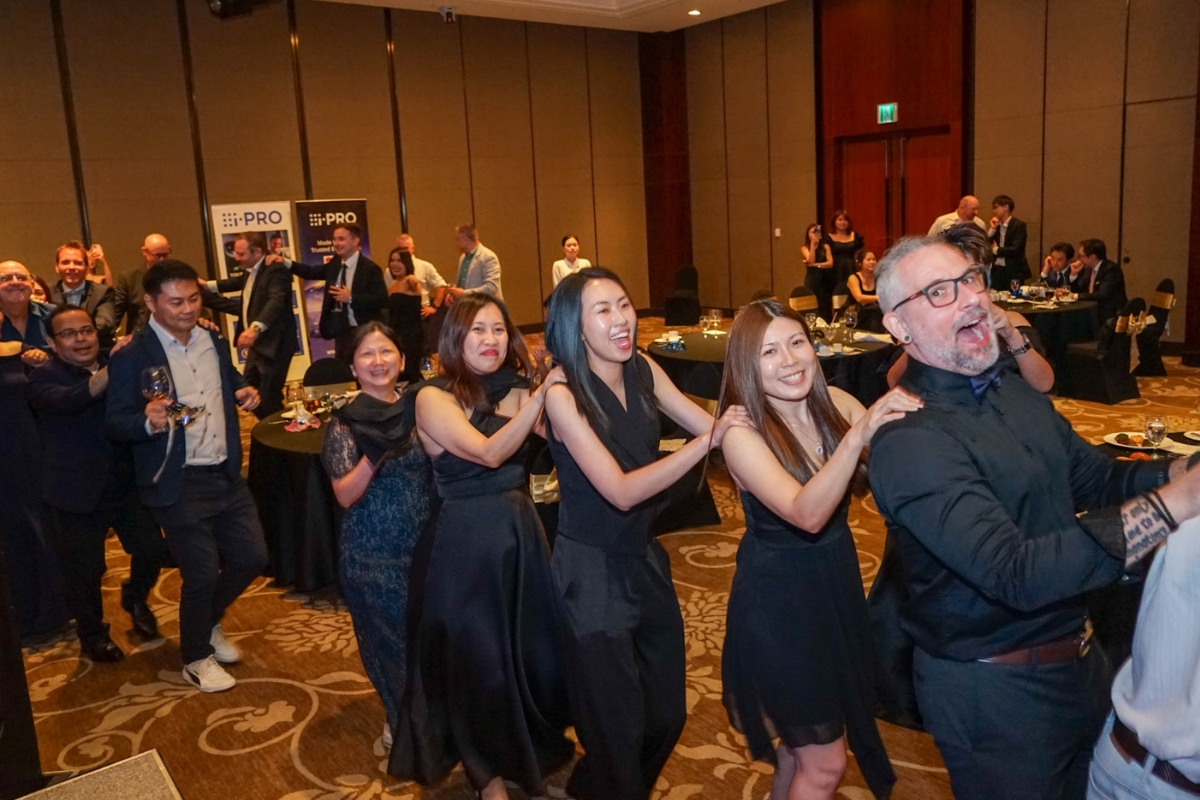
Because it sets expectations before anyone arrives, and mismatched expectations are visible all evening.
A guest who has under-dressed spends the night aware of it. A guest who has over-dressed feels equally conspicuous. Neither is enjoying the party, and both outcomes come from an invitation that named a code without explaining it.
There is a cost dimension too. A gala dinner dress code that implicitly requires a new outfit is a charge on staff who did not budget for one, and the SHRM research on inclusive recognition suggests the events that land best are the ones that do not create barriers to attending.
What does black tie actually mean?

The most formal gala dinner dress code companies use, and the most misunderstood.
Traditionally: a dinner jacket with a bow tie for men, a floor-length or elegant midi dress for women. In practice, at a Vietnamese corporate gala, a dark suit with a bow tie or a formal tie is universally acceptable, and an ao dai is entirely appropriate.
The important thing is to say so. A corporate black tie dress code that is not qualified will produce a room where a handful of people hired tuxedos and everyone else wore a suit — and the tuxedo wearers feel silly rather than smart.
Use black tie only if the venue and programme genuinely warrant it: a five-star ballroom, a formal awards ceremony, external guests. For an internal year-end party, it is usually a level too far.
What are the other levels?
Four levels of gala dinner dress code cover almost every corporate event, in descending formality:
- Black tie. Dinner jacket or dark suit with bow tie; long or elegant dress; ao dai. For formal ceremonies with external guests.
- Cocktail. Suit without a tie, or with one; knee-length or midi dress; smart separates; ao dai. The most useful code for a corporate gala.
- Smart formal / business formal. Business suit, shirt, optional tie; smart dress or trouser suit. The safe default when unsure.
- Smart casual. Shirt without a tie, chinos or smart trousers; smart dress or separates. Suits a rooftop or garden party rather than a ballroom.
For most companies, cocktail is the right level. It reads as an occasion, everyone already owns something suitable, and it accommodates both Western formalwear and ao dai without ambiguity.
How should the dress code be worded?
A gala dinner dress code should never appear as two words alone. The formula that works names the code, gives a concrete example for each gender, and confirms what is acceptable:
“Dress code: Cocktail. A suit or smart separates; a dress or ao dai. If you would wear it to an important client dinner, it is right for the evening.”
That last line does more than any list, because it gives guests a reference point they already understand. Event dress code wording that relies on named codes without a reference produces guessing.
If there is a theme colour, say how much is expected: “Black and gold — a touch of either is plenty; head-to-toe is not required.” That single clarification converts a theme from a demand into an invitation. See our themes guide and invitation guide.
How does ao dai fit?
It should be named explicitly, and at every level of formality.
Ao dai is appropriate for a black tie gala, a cocktail evening and a smart formal dinner alike, and many Vietnamese staff will prefer it. Naming it on the invitation removes any doubt about whether traditional dress is welcome at a Western-format event.
For companies with international staff, this also signals something useful — that the evening is a Vietnamese company’s gala rather than an imported format. A gala attire guide company invitations include should list ao dai alongside the Western options rather than as an afterthought or an exception.
The same applies to other traditional dress represented in the workforce. If the company has Korean, Japanese or Indian staff, saying that traditional formal dress is welcome costs one line and matters to the people it reaches.
What about the practical constraints?
Several factors change what a gala dinner dress code can realistically ask for:
- Heat and humidity. A December evening in Ho Chi Minh City is warm. Full black tie is genuinely uncomfortable, and a lighter code produces a happier room.
- Hanoi in winter. The opposite problem — guests need coats, and the venue needs a cloakroom.
- Outdoor and semi-outdoor venues. Grass and heels do not mix; say so if the reception is on a lawn.
- Transport. Staff arriving by motorbike need something that survives the journey.
- Getting changed. For a party straight after work, either allow time or drop the formality.
The motorbike point is the one most often overlooked in Vietnam and the most practical. A gala dinner dress code that assumes everyone arrives by car has not thought about how a large share of the staff will actually get there.
How do you make it inclusive?
Four adjustments that remove barriers without lowering the tone:
State that existing formalwear is fine and nothing needs buying. Avoid gendered prescriptions where possible — “formal attire” rather than separate instructions — while still giving examples for those who want them.
Consider religious dress explicitly, and make clear that modest interpretations of any code are welcome. And keep the code achievable: a dress code that requires an outfit most staff do not own is a cost imposed on people at the junior end of the payroll.
If the company wants a genuinely elevated look without that cost, a themed colour brief achieves it. Black and gold produces a striking room from clothes people already have.
What about a best-dressed award?
A useful device, with one caution.
A best-dressed category rewards the people who made an effort and reinforces the theme, and it works well as a light award during the ceremony. See our awards guide.
The caution is that it can quietly pressure people who cannot or do not want to dress up. Frame it as celebrating effort rather than expense, judge on interpretation of the theme rather than on the outfit’s cost, and keep it to one award rather than a category per department.
How do you communicate it?
Communicate the gala dinner dress code at three touchpoints, with increasing specificity:
- Save-the-date, eight weeks out. Name the code so people have time.
- Full invitation, four to five weeks out. Code plus examples plus the reference line.
- Reminder, one week out. Repeat the code with any practical notes — venue is outdoors, evenings are cool, the reception is on grass.
Adding a few photographs from last year’s party to the reminder is the most effective communication available. People understand a picture of a room immediately in a way no written corporate black tie dress code description achieves.
A short example: when Brightlane changed its invitation from “Black tie” to “Cocktail — a suit or a dress, ao dai very welcome; if you’d wear it to a client dinner, it’s right,” the number of questions to HR dropped to zero and the room looked noticeably more consistent than the previous year.
What if guests ignore it?
A few will, and the response is to do nothing.
Nobody should be turned away or spoken to about their clothes at a company event. A guest who arrives under-dressed has usually misjudged rather than defied, and drawing attention to it is a far worse outcome than the outfit.
If it happens at scale, the code was unclear rather than disobeyed. Note it, and be more specific next year — which is the point of writing the guidance properly in the first place. See our gala planning checklist for where dress code communication sits in the timeline.
Should the dress code differ for staff and clients?
No, and stating one code for everyone avoids an awkward two-tier room.
Where a gala includes clients, partners or sponsors, they receive the same invitation wording as staff. What changes is the follow-up: a relationship owner can mention informally what most guests will be wearing, which is more useful to an external guest than any written code.
The exception is a company where leadership traditionally dresses more formally than staff. If directors will be in black tie and everyone else in suits, say so plainly rather than letting people discover it at the door — an unannounced formality gap is the fastest way to make junior staff feel out of place at their own party.
Frequently asked questions about gala dinner dress codes
What does black tie mean at a corporate gala in Vietnam?
Traditionally a dinner jacket and bow tie, but in practice a dark suit with a formal tie is universally acceptable, and ao dai is entirely appropriate. Say so on the invitation.
Which dress code should most companies use?
Cocktail. It reads as an occasion, everyone already owns something suitable, and it accommodates both Western formalwear and ao dai without ambiguity.
How should a dress code be worded?
Name the code, give a concrete example for each gender, and add a reference point – “if you would wear it to an important client dinner, it is right for the evening.”
Should ao dai be mentioned explicitly?
Yes, at every level of formality. Naming it removes doubt about whether traditional dress is welcome at a Western-format event, and many staff will prefer it.
How do you make a dress code inclusive?
State that existing formalwear is fine and nothing needs buying, avoid strictly gendered prescriptions, welcome modest and religious interpretations, and keep it achievable.
What practical factors affect the code?
Heat in the south, cold and cloakrooms in Hanoi, grass and heels at outdoor venues, staff arriving by motorbike, and whether people can change after work.
Is a best-dressed award a good idea?
Yes, if framed as celebrating effort and interpretation of the theme rather than expense, and kept to a single award rather than one per department.
What if guests ignore the dress code?
Do nothing. Nobody should be turned away or spoken to about their clothes. If it happens at scale, the code was unclear rather than defied.
Plan your gala
Want help setting a gala dinner dress code that suits your venue, climate and team, worded so nobody has to guess? Request a free proposal and we will handle the invitation, theme and programme together — or explore our corporate events service and past success stories.