”
Sales Kickoff & Company Kickoff Event Ideas
Everyone leaves a good kickoff energised. Three weeks later, the targets are the same, the pipeline is the same, and nobody can remember a single thing from the second afternoon.
The kickoff meeting ideas that survive contact with February are the ones built around a small number of things people must actually do differently — not eight hours of presentations followed by a party.
This guide covers agenda structure, session formats, sales kickoff specifics, venue choice, and how to make the momentum last past the first fortnight.
What is a kickoff meeting for?
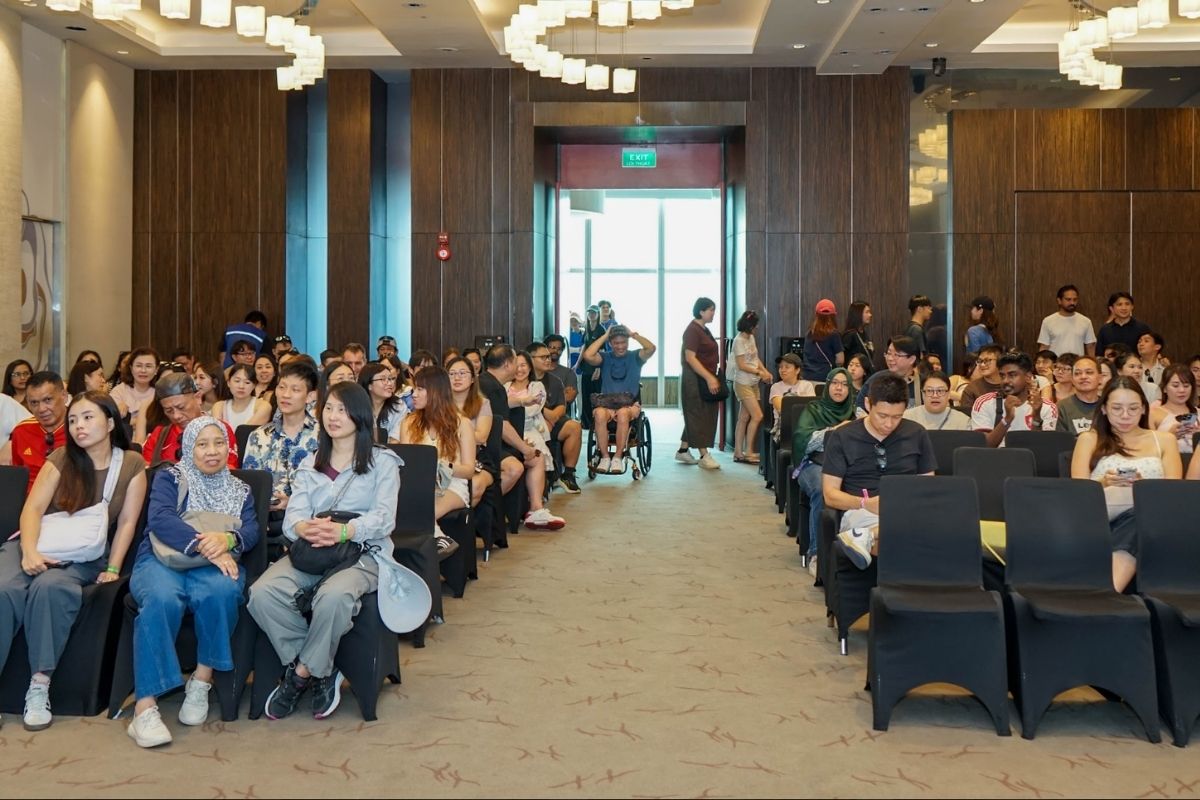
Kickoff meeting ideas serve three purposes, and being explicit about the priority order matters more than any individual session.
Alignment comes first — everyone leaving with the same understanding of the year’s priorities. Then motivation: energy and belief that the targets are achievable. Then capability, where new products, tools or methods get introduced.
Most kickoffs invert this, spending eighty percent of the agenda on capability content and hoping alignment happens by osmosis. The best kickoff meeting ideas front-load clarity and use the rest to reinforce it.
What should the agenda look like?

A workable two-day structure among kickoff meeting ideas for a company agenda:
Day one morning. Open with the year in review — honest about what worked and what did not, because a kickoff that only celebrates loses credibility immediately. Follow with the strategic priorities, stated simply enough that people can repeat them.
Day one afternoon. Break into functional or regional groups to translate priorities into specific commitments. This is where alignment actually happens, and it is the session most often cut for time.
Day one evening. Recognition and social — awards, dinner, celebration; see gala dinner ideas.
Day two morning. Capability content — new products, tools, enablement — while attention is fresh.
Day two afternoon. Team activity to close on energy rather than slides, then a short summary of commitments; see team building.
What session formats work best?
Variety in kickoff meeting ideas is what keeps a two-day agenda survivable:
- Leadership keynote. Short — twenty minutes, not sixty. Vision, not detail.
- Customer voice. A real customer speaking, which reliably lands harder than internal analysis.
- Peer showcase. Colleagues presenting what worked, more credible than management saying it.
- Working break-outs. Small groups producing commitments rather than discussing.
- Product deep-dives. Optional streams, so people choose relevance.
- Competitive role-play. For sales kickoffs — practising the pitch under pressure.
- Recognition moments. Distributed through the programme, not saved entirely for the gala.
Among annual kickoff planning choices, the customer voice session is the most consistently underused and the most consistently praised afterwards.
What is different about a sales kickoff?
A sales kickoff event Vietnam programme has requirements a general company kickoff does not.
Practice matters more than information. A sales team that hears about a new proposition retains little; one that pitches it three times in role-play and gets coached retains considerably more. Build in rehearsal time and accept fewer topics as the trade.
Competition works here where it might not elsewhere. Leaderboards, pitch competitions and team challenges suit a sales culture and generate genuine energy.
Recognition is also load-bearing. A sales kickoff without a substantial awards element misses the moment when last year’s performance is publicly acknowledged, which is part of what makes this year’s targets feel worth chasing; see our incentive travel ideas for launching the reward programme alongside.
How long should a kickoff be?
For kickoff meeting ideas, two days is the standard, and there are good reasons it settled there.
One day forces content compression that eliminates the break-out sessions where alignment actually forms. Three days exceeds most teams’ tolerance for structured content and starts pulling people away from customers during a critical period.
The exception is a geographically distributed team gathering rarely. When people fly in from six countries, three days may be justified by the cost of assembly alone — though the third day should be lighter, weighted toward informal connection.
Whatever the length, kickoff meeting ideas should reserve at least a quarter of the programme for unstructured time. Corridor conversations between colleagues who only meet annually carry real value.
Where should you hold a kickoff?
Venue affects kickoff meeting ideas more than most planners credit:
- City conference hotels. Practical and cost-effective, particularly when most attendees are local; see HCMC venues.
- Beach resorts. Higher energy and a reward dimension, suiting sales kickoffs; see Da Nang conference venues.
- Integrated resorts. Conference facilities plus activities and gala space in one property.
- Island destinations. A stronger reward signal for high-performing teams; see MICE Phu Quoc.
The trade-off is honest: a resort raises energy and cost simultaneously. For a company kickoff agenda dominated by working sessions, a good city venue with proper break-out rooms often serves better than a beach.
How do you keep people engaged?
Attention is the scarce resource across two days of content, and a few mechanics protect it.
Keep every session under sixty minutes, and most under forty. Break every ninety minutes at absolute minimum. Move people physically between sessions rather than leaving them in one room all day.
Use interaction deliberately — live polling, table discussions, quick pair exercises — not as gimmicks but because passive listening degrades fast. And put the least interesting mandatory content in the morning slots rather than after lunch, where it will simply not be absorbed.
The SHRM research links structured shared experiences to stronger engagement, and a kickoff is one of the few moments a whole organisation shares an experience simultaneously.
How do you make the momentum last?
Momentum is where most kickoff meeting ideas fail, and the fix is unglamorous.
End with written commitments per team — specific enough to be checkable, with named owners and dates. “”Focus on enterprise accounts”” is not a commitment; “”each rep books two enterprise discovery calls per month from February”” is.
Schedule the first review before people leave the room. A thirty-minute check-in at six weeks does more for durability than anything on the day itself.
Then repeat the messages. The strategic priorities from the kickoff should appear in team meetings, dashboards and manager one-to-ones for the following quarter. Kickoff meeting ideas that exist only in January are decoration; ones that recur are direction.
What are the common mistakes?
Six recur reliably:
- Too many presentations. If it could be a document, it should be.
- Only good news. A review that ignores what went wrong loses credibility.
- No break-out time. Alignment forms in small groups, not plenaries.
- Party over substance. A great gala attached to a weak agenda produces a hangover, not a strategy.
- No follow-up. The single strongest predictor that nothing changes.
- Too many priorities. Eight strategic priorities means none.
The last is worth dwelling on. A kickoff that names three priorities gives people something they can hold; one that names ten gives them a list they will not remember by the flight home.
What does a kickoff cost?
Kickoff meeting budgets resemble conference budgets, with a heavier weighting toward recognition and social elements.
The main lines are venue and catering, accommodation, travel for distributed teams, production and AV, the gala or awards evening, any team activity, and contingency. Travel frequently dominates when teams fly in from multiple markets.
The efficiency lever is destination choice relative to where people actually are. An annual kickoff planning exercise that picks a destination requiring flights for ninety percent of attendees has committed most of its budget before anything else is decided. Model it with our conference planning and budget guides.
A short example: when Meridian Pay cut its kickoff from eleven strategic priorities to three, the following quarter’s manager one-to-ones referenced those three constantly — the previous year’s list had been forgotten within a month.
How do you handle a distributed team?
When a kickoff gathers people from several countries, the design changes in ways that are easy to miss.
Language is the first consideration. A session delivered only in English will lose a proportion of a mixed regional audience, so simultaneous interpretation or bilingual break-outs are worth the cost rather than an optional extra.
Travel fatigue is the second. People arriving from four time zones should not face a dense strategy session at nine on the first morning — build in an arrival evening and start properly the following day.
The third is making the gathering itself count. When assembling a distributed team costs this much, kickoff meeting ideas should prioritise cross-market connection over content that could have been a webinar. Seat people with colleagues from other markets, not their own.
How do you gather feedback afterwards?
A kickoff generates strong opinions that fade within a fortnight, so collecting them quickly is worth the small effort.
Ask specific questions rather than a satisfaction score. Which session was most useful? Which would you remove? What was missing? Vague ratings tell you nothing actionable for next year, whereas “”the product deep-dive was too detailed for non-technical staff”” changes the following agenda.
Ask managers separately about their teams’ clarity on priorities, since that tests alignment rather than enjoyment — and alignment was the primary objective.
Then act visibly on at least one piece of feedback and say so at the next kickoff. Teams that see their input reflected engage more seriously the following year.
Frequently asked questions about kickoff meeting ideas
What is a kickoff meeting for?
Alignment on the year’s priorities first, then motivation, then capability. Most kickoffs invert this and over-weight content, which is why alignment often fails to form.
How long should a company kickoff be?
Two days is standard. One day forces out the break-out sessions where alignment forms, while three exceeds most teams’ tolerance unless people are flying in from multiple markets.
What sessions work best at a kickoff?
Short leadership keynotes, a real customer speaking, peer showcases, working break-outs producing commitments, optional product streams and distributed recognition moments.
What is different about a sales kickoff?
Practice beats information — build in pitch role-play and coaching rather than presentations. Competition and a substantial awards element also suit a sales culture particularly well.
How many strategic priorities should you present?
Three. A kickoff naming three priorities gives people something they can hold; ten gives them a list forgotten by the flight home.
How do you sustain kickoff momentum?
End with specific written commitments and named owners, schedule the six-week review before anyone leaves, and repeat the priorities in team meetings and one-to-ones for the following quarter.
Should a kickoff be at a resort?
It depends on the balance. Resorts raise energy and cost together, but a working-session-heavy agenda is often better served by a city venue with proper break-out rooms.
How do you run a kickoff for a distributed team?
Provide interpretation or bilingual break-outs, build in an arrival evening before dense sessions, and seat people with colleagues from other markets rather than their own.
How should you collect kickoff feedback?
Ask specific questions – most useful session, what to remove, what was missing – within a week, and ask managers separately about their teams’ clarity on priorities.
Plan your kickoff event
Ready to turn kickoff meeting ideas into a programme people still reference in March? Request a free proposal and we will design the agenda, venue and recognition programme around your priorities — or explore our conferences and events service and past success stories.
“