”
Planning a Team Offsite in Vietnam: Full Guide
Companies spend months arguing about the destination and about forty minutes on the agenda. Then they wonder why an expensive week in a beautiful place changed nothing.
A team offsite Vietnam programme succeeds or fails on design, not location. The destination determines whether people enjoy it; the structure determines whether anything is different when they get back.
This guide covers the whole process — choosing a format, designing the agenda, selecting a destination, budgeting, timelines and measuring the result.
What is a team offsite?
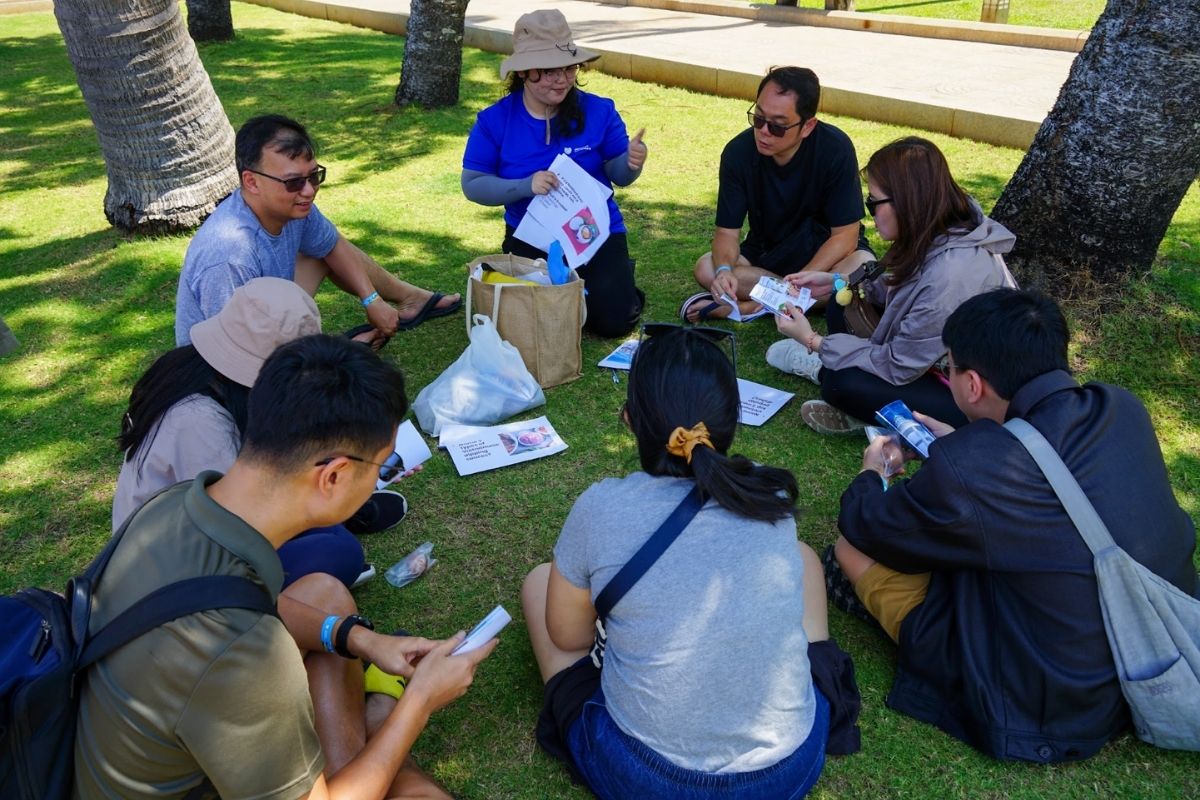
An offsite is any structured programme that takes a team out of its normal working environment with a defined objective. That definition matters because it excludes a lot of what gets booked as one.
A team offsite Vietnam programme sits somewhere on a spectrum between three purposes: developing capability, making decisions, or rewarding and reconnecting. Most attempt all three, and the good ones are explicit about which dominates.
The SHRM research links structured shared experiences to stronger engagement, and structure is precisely what separates an offsite from a trip.
What are the main offsite formats?
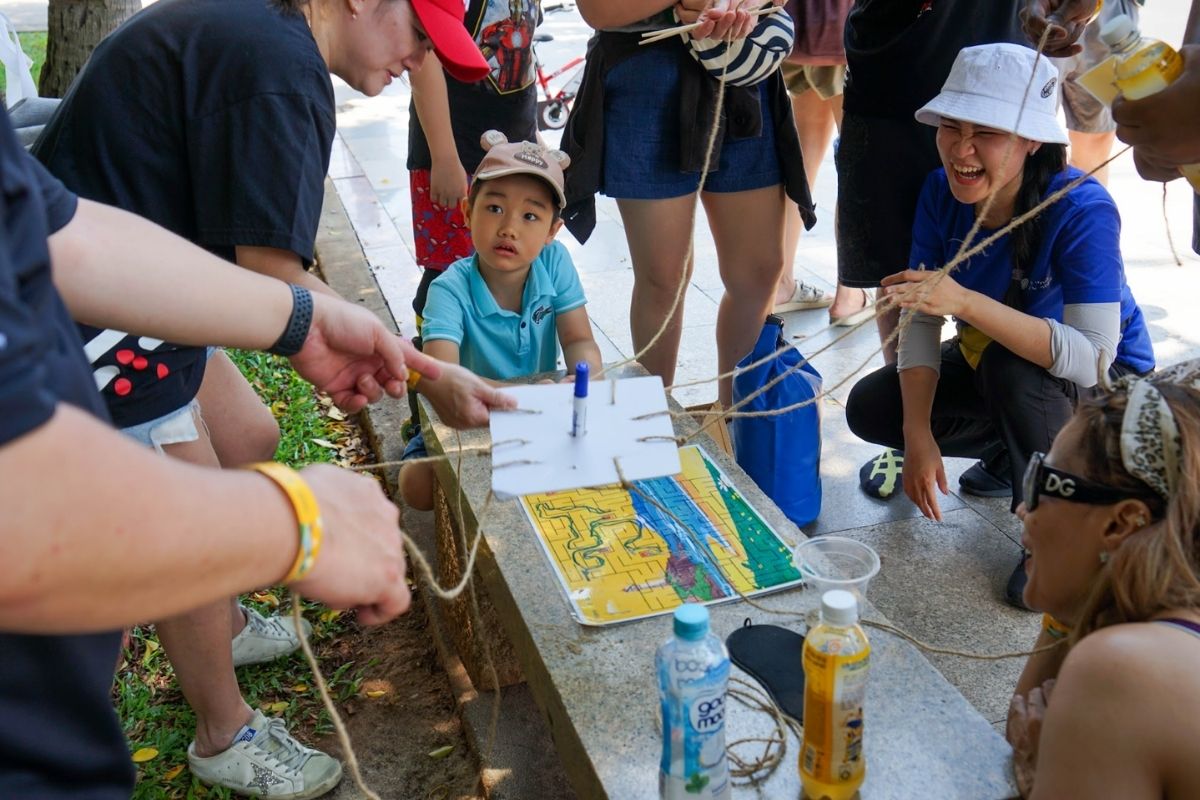
Choosing the team offsite Vietnam format before the destination prevents most planning mistakes:
- The strategy offsite. Small leadership group, decision-focused; see leadership offsite ideas.
- The team-building offsite. Activity-led, aimed at connection and morale.
- The department offsite. Mixed working sessions and social time for a function of 20 to 80.
- The all-company offsite. Large-scale, culture and communication focused.
- The reward offsite. Recognition-led; see incentive travel ideas.
- The kick-off offsite. Year or quarter launch, alignment and energy; see kickoff meeting ideas.
Among company offsite ideas Vietnam teams request, the department offsite is the most common and the most frequently mis-designed — usually by loading it with content until there is no time to talk.
How do you design the agenda?
Agenda design is where a team offsite Vietnam creates its value, and the principles are consistent across formats.
Start from one sentence: what should be different afterwards? Everything that does not serve that sentence is a candidate for cutting. Most agendas are twice as full as they should be.
Then sequence deliberately. Social and activity time early builds the trust that honest working sessions require, so a team offsite Vietnam agenda that opens with a strategy session on arrival day is fighting itself.
Protect unstructured time. The corridor conversations, the long dinner and the walk between sessions are where a surprising proportion of the real value lands — and they are the first things cut when the agenda gets crowded.
What does a sample two-day agenda look like?
A workable structure for a department group of 30 to 60:
Day one. Morning travel, arrival and lunch. An afternoon team activity to reset the group dynamic and mix departments. An early-evening session framing the offsite’s questions without answering them. A long, unstructured dinner.
Day two. The main working block through the morning while attention is highest, broken into small groups with plenary readouts. After lunch, a session converting discussion into named commitments. A short closing and departure mid-afternoon.
The pattern generalises: activity first, content second, commitments third. Corporate offsite planning Vietnam programmes that invert this — content on arrival, activity as a reward at the end — consistently produce weaker sessions.
Where should you hold an offsite in Vietnam?
Match the team offsite Vietnam destination to the format rather than to the photographs:
- Beach and island. Best for reward and team-building offsites; see beach team building and island team building.
- Highland and nature. Best for strategy and reflective work; see Da Lat and nature team building.
- Heritage and cultural. Strong for connection and distinctiveness; see Hoi An.
- City-adjacent. Practical for short formats; see weekend trips from HCMC.
- Multi-element destinations. Da Nang combines several; see company trips to Da Nang.
The rule of thumb: reward offsites go to the coast, thinking offsites go to the hills. An offsite venue Vietnam shortlist built the other way round tends to disappoint on one dimension or the other.
How long should an offsite be?
Team offsite Vietnam length should follow the objective rather than the budget:
- One day. A single focused objective, no travel beyond an hour.
- Two days, one night. The workhorse format — enough for activity, content and an evening.
- Three days, two nights. Justified for strategy resets, new teams or fly-in destinations; see 3D2N retreat itineraries.
- Four days or more. Rarely productive; usually a reward trip with a meeting attached.
Frequency beats duration. Two two-day offsites a year outperform one four-day event, because the second reveals what actually stuck from the first.
What group size considerations apply?
Group size changes a team offsite Vietnam design fundamentally, and each band needs a different approach.
Under 20 people can work as a single group throughout, which produces the richest discussion. Between 20 and 60, working sessions must run in break-out groups with plenary readouts, and activities need parallel stations.
Above 60, genuine discussion becomes impossible in plenary, so the format shifts toward communication and connection rather than collective decision-making. A team offsite Vietnam programme for 200 people is a culture and energy exercise, not a strategy session, and pretending otherwise wastes everyone’s day.
How do you budget an offsite?
Team offsite Vietnam cost lines are consistent regardless of destination:
- Transport. Flights or coaches, usually the largest single variable.
- Accommodation. Standard drives cost more than any other choice.
- Meeting space and AV. Often bundled with accommodation.
- Activities and facilitation. Where the offsite’s actual value is created.
- Catering. Including at least one social highlight.
- Contingency. Ten percent, genuinely reserved.
The efficiency lever most people miss is destination proximity. Removing flights from corporate offsite planning Vietnam budgets frees a substantial proportion for the programme itself. Model it with our company trip budget and team building cost guides.
What timeline should you work to?
Working backwards from the date, a realistic schedule looks like this:
- Four to six months out. Objective agreed, budget approved, format chosen.
- Three to four months out. Destination and venue contracted, dates locked.
- Two months out. Agenda designed, facilitator briefed, activities confirmed.
- One month out. Communications to attendees, dietary and accessibility needs collected.
- Two weeks out. Run sheet finalised, contingencies confirmed.
- After. Feedback within a week, follow-up review at six weeks.
Peak season and large groups need the longer end of these ranges. A team offsite Vietnam programme for 150 people in dry season booked eight weeks out will find its venue options severely limited.
What are the most common mistakes?
Six mistakes recur across almost every disappointing team offsite Vietnam programme:
- No clear objective. “”We should do an offsite”” is not a brief.
- Over-packed agenda. The single most common failure.
- Departments seated together. Wasting the main opportunity of the format.
- No follow-up. Commitments without owners or review dates evaporate.
- Wrong destination for the format. A distracting resort for a strategy session.
- No contingency. One weather event and the programme collapses.
The mixing point deserves emphasis. Deliberately assigning cross-department groups is free, takes ten minutes, and is consistently the highest-return decision in offsite design.
How do you measure whether it worked?
Three measures, in increasing order of usefulness.
Immediate feedback within a week captures energy and enjoyment — necessary but weak, since people are usually positive straight after a trip.
Commitment follow-through at six weeks is far stronger: of the specific commitments made, how many are actually in place? Then behavioural signals over a quarter — cross-team collaboration, retention conversations, whether the offsite gets referenced in normal work.
An offsite that produces one durable behavioural change has justified itself. One that produces only good photographs has not, however enjoyable it was.
Should you use an external partner?
It depends on scale and internal capacity, and the honest answer is not always yes.
A ten-person offsite at a venue you know does not need one. Above roughly fifty people, or in an unfamiliar destination, local sourcing and on-ground delivery become substantial work that pulls internal staff off their actual jobs for weeks.
Facilitation is the other consideration. Even a small team offsite Vietnam programme benefits from external facilitation for the working sessions, because it lets the most senior person participate rather than run the room. See our DMC guide for what a local partner handles.
How do you communicate the offsite internally?
What people are told beforehand shapes how they arrive, and this step is routinely neglected.
Tell them the purpose rather than the itinerary. “”Two days at a beach resort”” sets a holiday expectation; “”two days to agree how the three teams work together next year, at a beach resort”” sets a working one — and the resort still does its job.
Be explicit about what is optional. Activities framed as compulsory create quiet resentment among people who have genuine reasons not to participate, and that resentment colours the working sessions too.
Afterwards, communicate outcomes to those who did not attend. A team offsite Vietnam programme that produces visible decisions for the wider organisation is understood as work; one that produces only photographs is understood as a perk.
Frequently asked questions about team offsites in Vietnam
What is a team offsite?
A structured programme taking a team out of its normal working environment with a defined objective — developing capability, making decisions, or rewarding and reconnecting.
How long should a team offsite be?
Two days and one night is the workhorse format. One day suits a single focused objective, three days a strategy reset, and beyond that returns diminish sharply.
Where is best for an offsite in Vietnam?
Beach and island destinations for reward and team building, highland and nature settings for strategy and reflection, heritage towns for distinctiveness, and city-adjacent venues for short formats.
How far ahead should you plan?
Four to six months for objective and budget, three to four months to contract the venue, two months for agenda design. Peak season and large groups need the longer end.
What is the most common offsite mistake?
An over-packed agenda. Most offsites schedule twice as much content as they should, leaving no unstructured time — which is where much of the real value happens.
Should departments sit together?
No. Deliberately mixing cross-department groups is free, takes ten minutes to arrange, and is consistently the highest-return decision in offsite design.
How do you measure an offsite’s success?
Commitment follow-through at six weeks is the strongest measure, followed by behavioural signals over a quarter. Immediate feedback is necessary but weak, since people are positive straight after a trip.
How should you communicate the offsite internally?
Tell people the purpose rather than the itinerary, be explicit about what is optional, and communicate outcomes afterwards to those who did not attend.
Do you need an external partner for an offsite?
Not for a small group at a familiar venue. Above roughly fifty people or in an unfamiliar destination, local sourcing and delivery become substantial work.
Plan your team offsite
Ready to design a team offsite Vietnam programme that changes something rather than just looking good? Request a free proposal and we will build the format, agenda and destination around your objective — or explore our team building and corporate events services and past success stories.
“