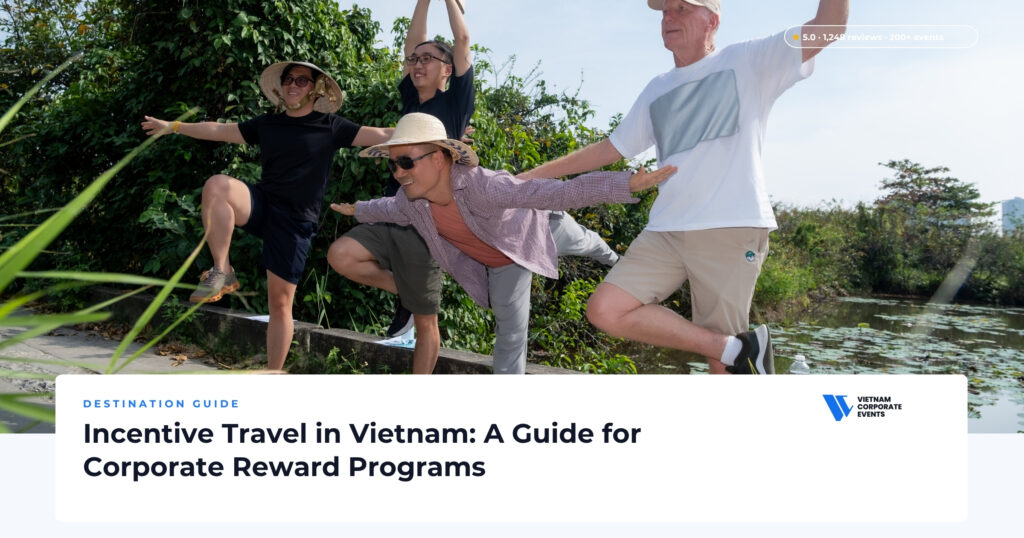
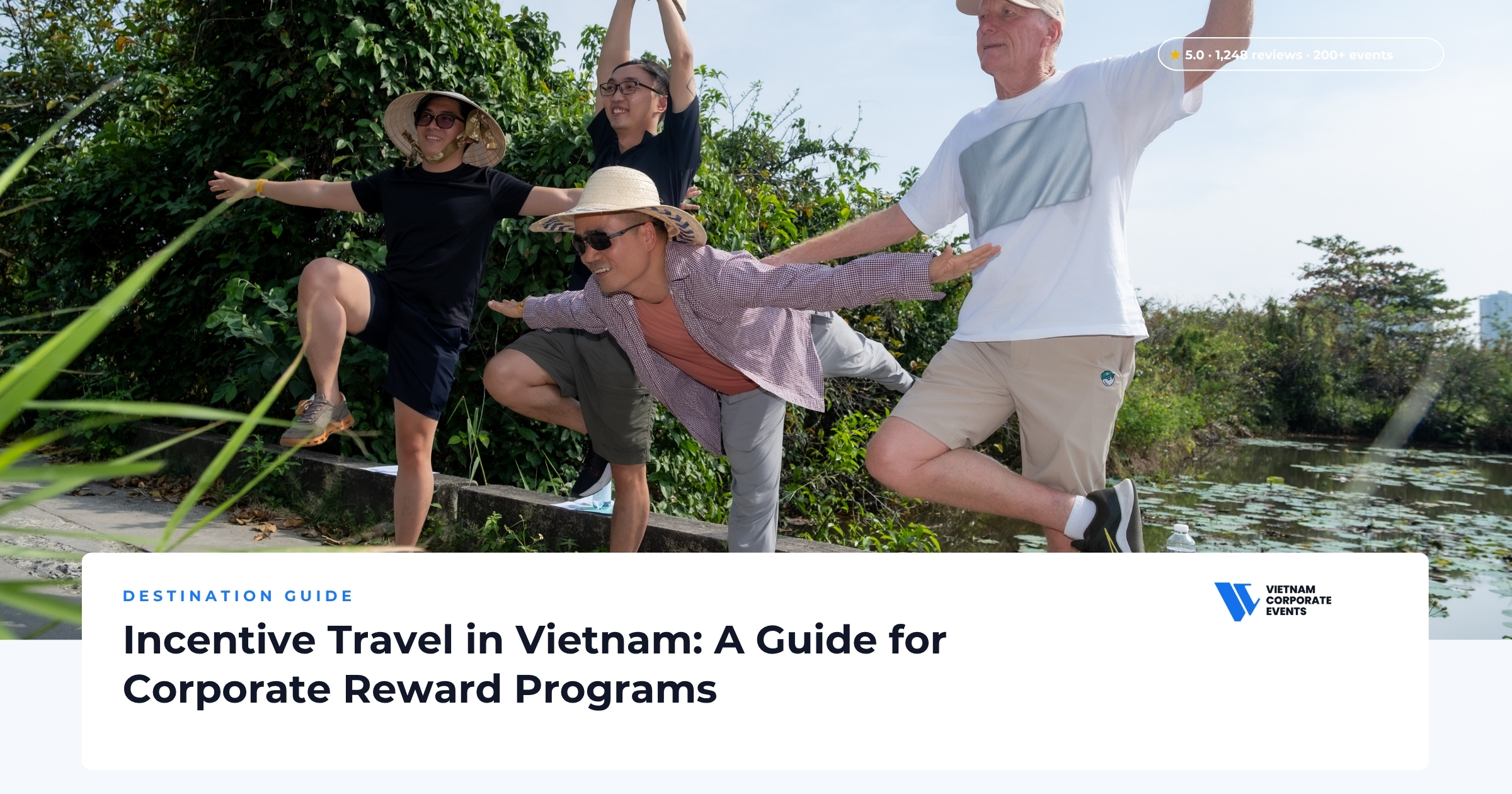
Incentive travel Vietnam gives companies a practical way to recognise high performers, strengthen loyalty, and turn business results into shared experiences. Rather than offering a standard holiday, a well-designed reward trip connects achievement with memorable moments, cultural discovery, and genuine appreciation. Vietnam is especially compelling because it combines premium resorts, heritage, energetic cities, and flexible event options at several budget levels. For organisations planning a corporate incentive program Vietnam, the goal is simple: make people feel valued while reinforcing the behaviours that drive growth. This guide explains how to design an incentive trip Vietnam that feels earned, runs smoothly, and delivers lasting value for employees and the business.
What Incentive Travel Actually Is?
Incentive travel Vietnam is a performance-based reward for employees, partners, dealers, or sales teams who meet clearly defined targets. The Incentive Travel Excellence organisation, SITE Global, describes it as a performance enhancement tool designed to encourage outstanding workplace behaviour against defined goals. That distinction matters because an employee reward trip should support business strategy, not simply fill a company calendar.
A strong corporate incentive program Vietnam starts with measurable eligibility criteria, transparent communication, and an experience that participants genuinely want to achieve. It can reward annual sales performance, successful project delivery, channel growth, leadership behaviour, or long-term service. The travel experience then becomes visible proof that performance is recognised.
Incentive Travel vs Standard Corporate Travel
Standard business travel is functional. Employees travel to attend meetings, complete work, visit clients, or represent the company at an event. An incentive trip Vietnam has a different purpose because it is designed to celebrate achievement and create positive emotional association with the employer. It should feel exclusive, personal, and separate from everyday work expectations.
The experience still needs structure, but every element should reinforce recognition. Airport welcomes, room gifts, curated dining, and private activities all show participants that their contribution matters. When done well, incentive travel Vietnam becomes a motivational story employees share long after they return.
Design Matters as Much as Destination
A beautiful resort alone does not create a meaningful employee reward trip. Participants need to understand why they qualified, what the company is celebrating, and how the programme reflects its values. Recognition should be woven into the itinerary instead of being limited to a short speech before dinner.
Design also includes practical details such as dietary needs, accessibility, pacing, arrival schedules, and language support. These choices shape how guests feel throughout the programme. A thoughtful corporate incentive program Vietnam makes participants feel seen, rather than processed as part of a large group.
Why Vietnam Wins for Incentive Programs?
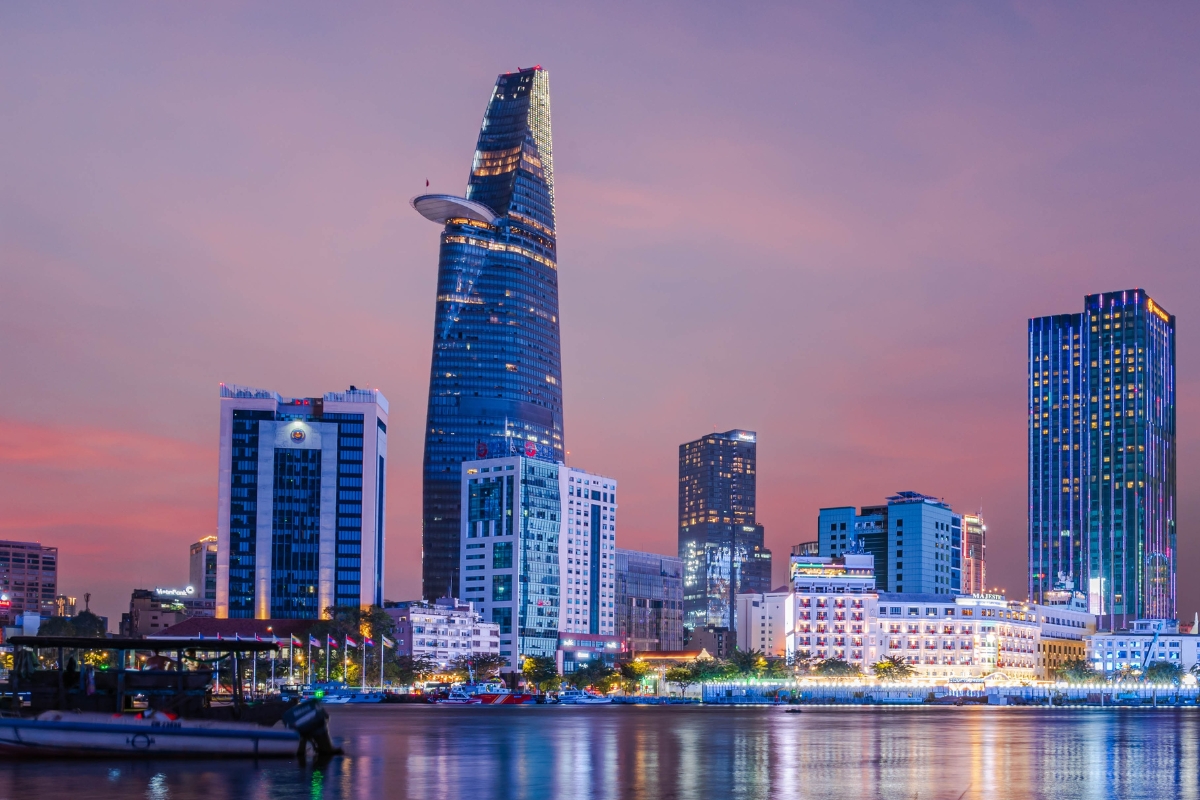
Vietnam offers an unusual blend of natural landscapes, heritage, modern hospitality, and distinctive food experiences. From beach resorts and golf courses to rooftop venues and river cruises, incentive travel Vietnam can be shaped around different audience profiles. Companies can explore 5 Best MICE Destinations in Vietnam for 2026 to match destinations with reward tiers, group size, and programme goals.
Vietnam also allows planners to create contrast within one trip. Delegates can move from Ho Chi Minh City’s fast-paced energy to a relaxed coastal resort, or combine Da Nang with Hoi An’s heritage setting. This variety helps an employee reward trip feel richer than a single hotel stay.
Value, Variety, and Logistics Compared to Regional Alternatives
For many corporate groups, Vietnam delivers strong perceived value without requiring a generic programme. High-quality hotels, local dining, entertainment, and cultural activities can be combined into a premium itinerary with clear budget control. The country’s expanding tourism profile and travel infrastructure support its appeal as a regional incentive destination, as shown in the World Bank’s Vietnam tourism data.
Compared with destinations that rely mainly on shopping or nightlife, Vietnam provides broader storytelling opportunities. Guests can experience local craftsmanship, regional cuisine, historical sites, beaches, and contemporary city life. A corporate incentive program Vietnam can therefore reward different personalities, from adventurous achievers to senior executives seeking comfort and privacy.
Which Vietnam Destinations Work for Which Reward Tiers
Ho Chi Minh City works well for energetic groups, sales celebrations, and programmes requiring strong flight access, dynamic dining, and branded evening events. Da Nang suits larger teams that want resort comfort, beach time, golf, and easy access to Hoi An. Hoi An adds cultural depth; UNESCO recognises Hoi An Ancient Town as an exceptionally preserved Southeast Asian trading port dating from the fifteenth to nineteenth centuries.
Phu Quoc is ideal for premium reward tiers, executive groups, and guests who value privacy, beaches, and resort-led experiences. Hanoi and Ha Long Bay offer a more heritage-focused option, especially for international delegates interested in history, cuisine, and scenery. Selecting the right destination ensures each incentive trip Vietnam matches the status of the reward.
Designing an Incentive Program Around Recognition?
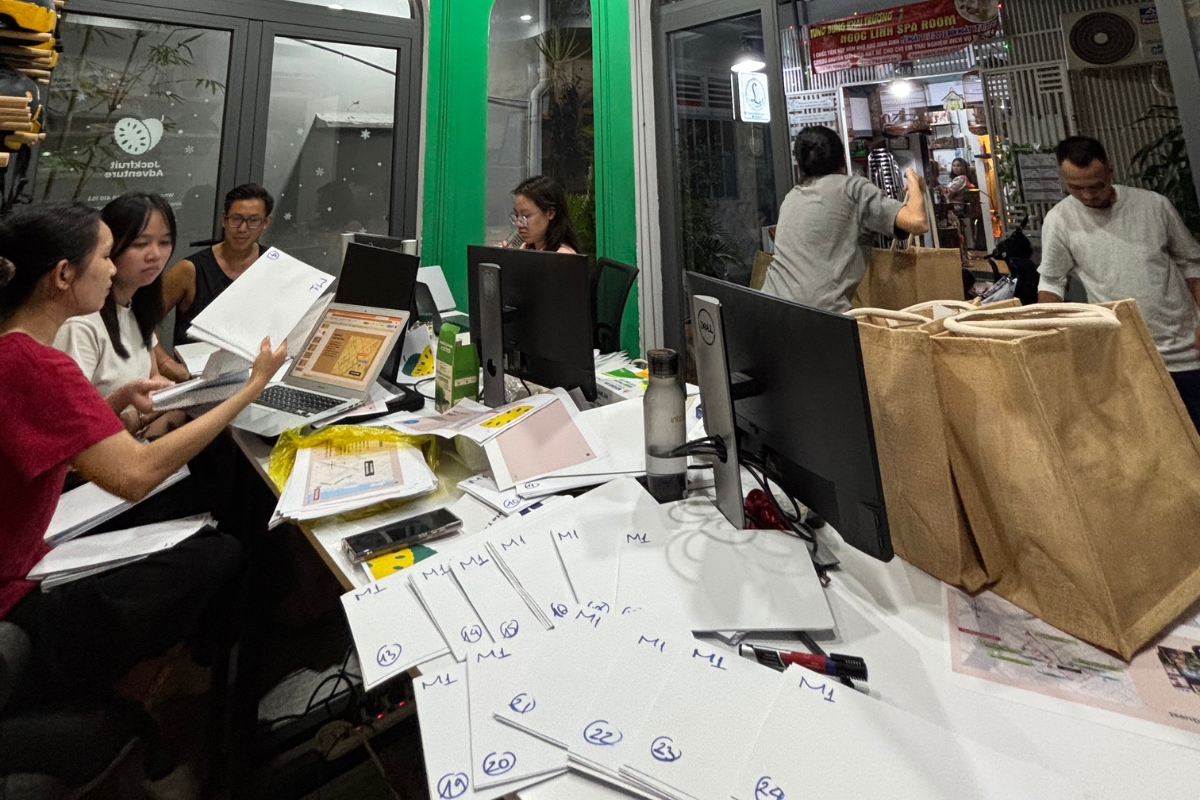
Incentive travel Vietnam performs best when recognition is built into the programme before flights and hotels are selected. Start by identifying the business outcome: increased sales, retention, partner loyalty, safety performance, innovation, or leadership development. Then define who can qualify and explain the rules early enough for participants to influence their results.
The employee reward trip should be aspirational but achievable. If the criteria are unclear or feel unrealistic, the programme can create frustration instead of motivation. Clear milestones, progress updates, and public recognition during the qualification period help maintain momentum.
Connecting the Trip to Performance Criteria
Every corporate incentive program Vietnam needs a direct link between performance and reward. Sales teams might qualify through revenue, new-account growth, or margin targets, while operational teams may be recognised for quality, efficiency, or customer satisfaction. Avoid criteria that only reward one role when success depends on cross-functional work.
Communicate the reward experience with enough detail to build excitement without overpromising. Share destination highlights, accommodation standards, and key experiences during the campaign. This makes incentive travel Vietnam a visible target, not an abstract benefit announced after results are finalised.
Building Moments That Feel Earned, Not Generic
Recognition moments should be specific. A gala dinner can include individual award stories, leadership messages, personalised videos, or table displays that reflect each winner’s achievement. Even a small room-drop gift becomes more meaningful when it includes a personal note from a manager or executive.
Balance organised activities with free time. An employee reward trip should not feel like a conference with better scenery. Giving guests time to enjoy the spa, beach, local markets, or personal dining creates autonomy while keeping the overall schedule premium and purposeful.
What an Event-Led DMC Adds
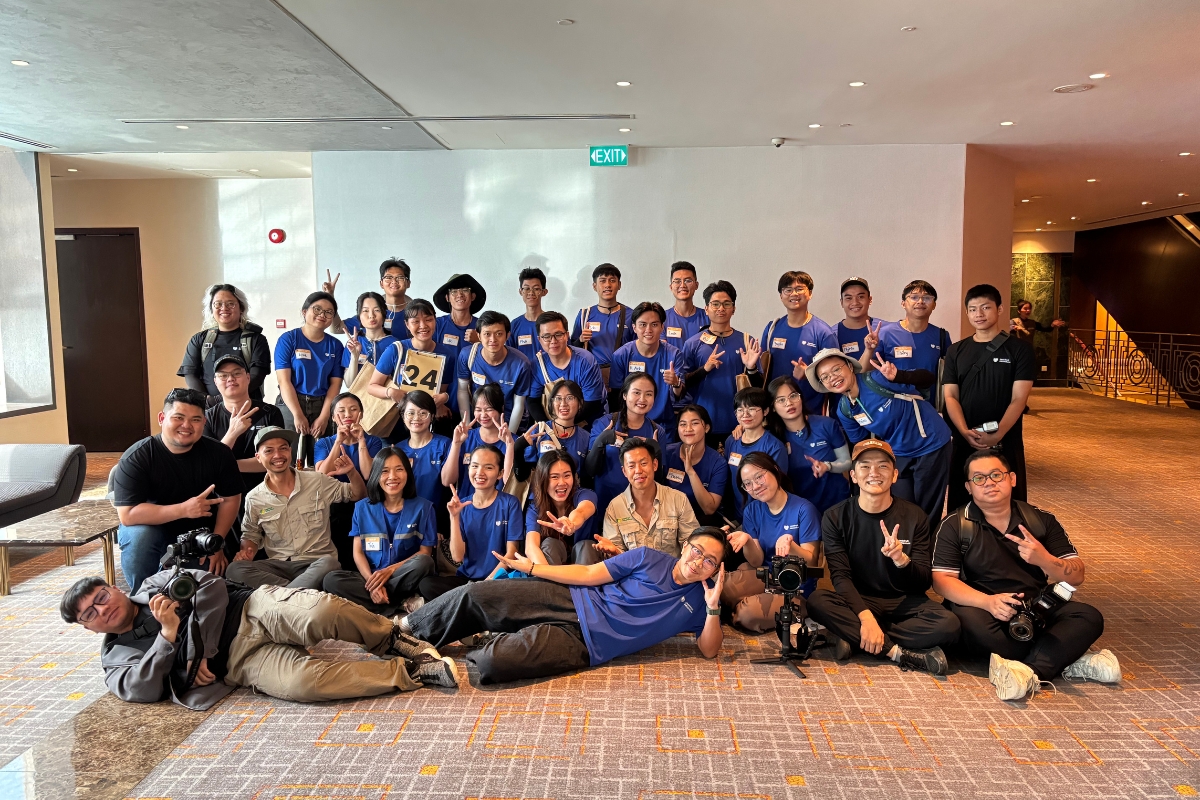
An event-led destination management company goes beyond booking flights, rooms, and transfers. It designs the full guest journey, connecting programme goals with creative production, supplier coordination, hospitality, and onsite delivery. For incentive travel Vietnam, this approach ensures that recognition remains central at every touchpoint.
Companies planning independently can benefit from How to Plan a Corporate Event in Vietnam Without Budget Surprises. It helps teams understand why programme scope, supplier management, and early decisions matter. A professionally managed corporate incentive program Vietnam protects both the experience and the budget.
The Difference Between a Travel Agent and a DMC
A travel agent primarily supports travel bookings, such as flights, accommodation, and basic arrangements. A DMC adds destination expertise, programme design, local supplier relationships, event production, guest communication, and onsite problem-solving. This difference becomes important when an incentive trip Vietnam includes a gala dinner, awards ceremony, team activity, branded décor, or VIP experiences.
A capable DMC also anticipates operational risks before they affect guests. It can manage changing arrival times, weather plans, transport routes, dietary requirements, and venue coordination. The wider DMC model typically includes concept development, logistics, onsite staffing, and creative event services, as outlined by the DMC Network.
What to Expect from End-to-End Incentive Management
End-to-end management begins with a brief covering business objectives, guest profile, budget, timing, and success measures. The DMC then develops destination options, accommodation recommendations, venue concepts, transportation plans, activity choices, and detailed costings. Once approved, it manages supplier contracts, run sheets, registration, communications, and onsite staffing.
For an employee reward trip, this integration matters because guests should experience one seamless journey. They should not see separate vendors, conflicting instructions, or rushed transitions. The planning team can focus on leadership engagement and recognition while the DMC manages delivery.
Sample 3-Day Incentive Itinerary in Vietnam
This sample shows how incentive travel Vietnam can combine celebration, culture, and downtime without overwhelming guests. It is designed for a mid-sized corporate group in Da Nang and Hoi An, although the structure can be adapted for Ho Chi Minh City, Phu Quoc, or Hanoi. The best itinerary always reflects the reward tier, group demographics, and company culture.
Day 1: Arrival and Welcome Experience
Guests arrive at Da Nang International Airport and receive a hosted welcome before private transfers to a beachfront resort. After check-in and free time, the group gathers for a relaxed sunset reception with local canapés, music, and a short leadership welcome. The evening should introduce the tone of the employee reward trip without placing heavy demands on tired travellers.
A welcome kit can include a personalised itinerary, practical local information, branded essentials, and a small Vietnamese-inspired gift. This first touchpoint sets expectations for quality and care. Keep formal recognition brief on day one, leaving the main celebration for the following evening.
Day 2: Signature Activity and Recognition Dinner
The second day is the centrepiece of the incentive trip Vietnam. Guests can choose between a culinary discovery activity, golf, a guided Hoi An experience, a beach challenge, or a wellness programme, depending on group preferences. Choice makes the itinerary feel more personal while still maintaining operational control.
In the evening, host a recognition dinner at a resort venue, riverside location, or private cultural setting. Use storytelling, awards, entertainment, and senior leadership participation to connect results with appreciation. This is where a corporate incentive program Vietnam moves beyond travel and becomes a powerful company moment.
Day 3: Free Time and Departure Logistics
The final morning should remain flexible. Guests may choose breakfast, spa time, beach relaxation, shopping, or an optional short excursion before departure. Avoid scheduling a mandatory activity that creates stress for travellers with early flights.
Clear departure information, luggage support, airport transfers, and a warm farewell complete the experience professionally. Follow up after the programme with photos, award highlights, and a short feedback survey. This helps measure whether the employee reward trip delivered the intended motivation and strengthens future programme planning.
Conclusion
Incentive travel Vietnam is most effective when it rewards real achievement, reflects company values, and gives participants an experience they could not easily create themselves. Vietnam offers the destinations, hospitality, culture, and flexibility required for programmes ranging from ambitious team rewards to executive-level recognition. Success depends on clear qualification criteria, thoughtful guest design, reliable logistics, and recognition that feels personal. Vietnam Corporate Events helps companies turn those requirements into high-impact experiences through event-led planning and local destination expertise. Ready to reward your best people with confidence? Book a call with Vietnam Corporate Events today to discuss your goals, audience, budget, and ideal incentive programme.