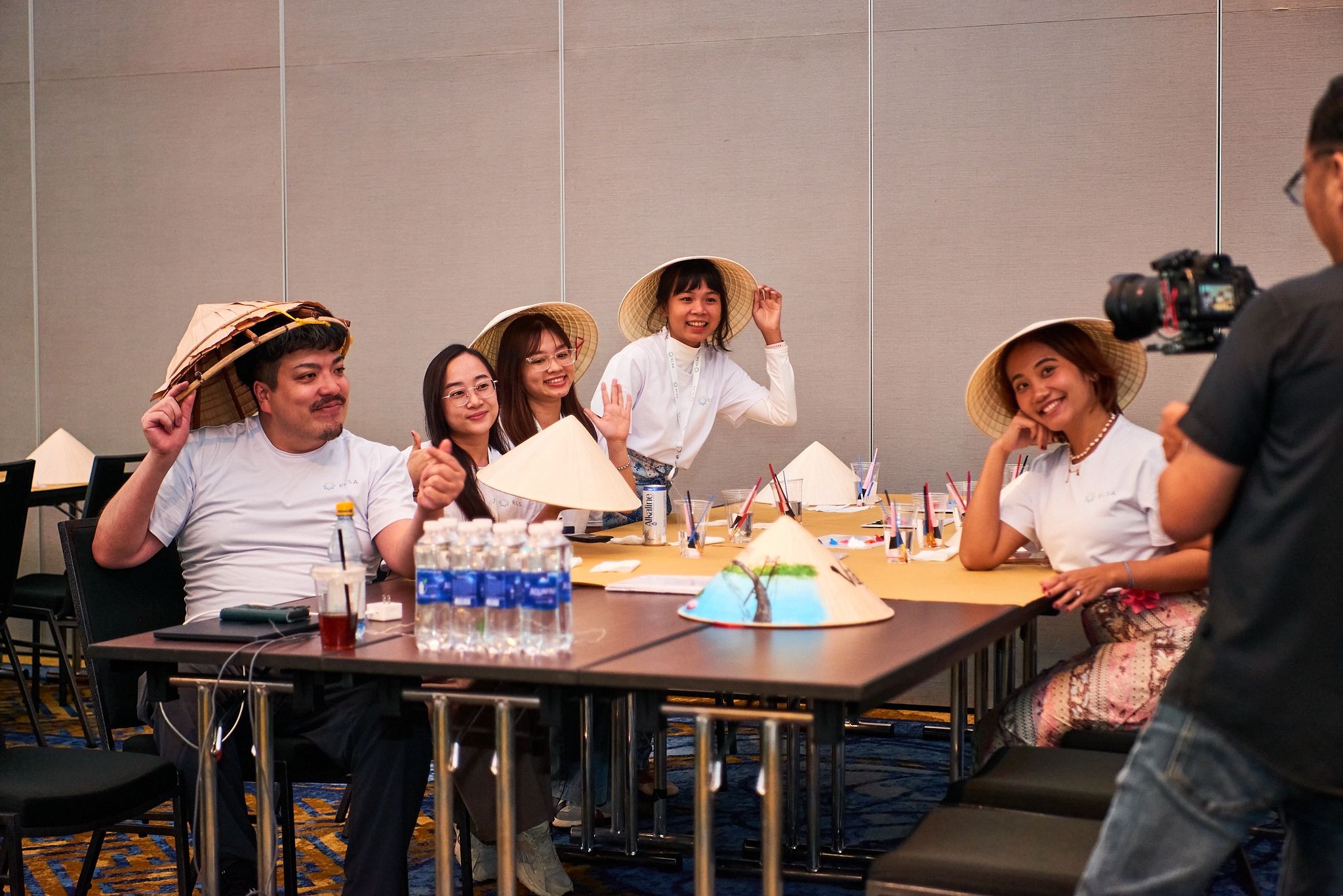
Mastering corporate event photography is essential for documenting and amplifying MICE events in Vietnam.
This guide covers every aspect – from pre-event planning to post-event delivery, packed with practical tips and checklists. We explain why corporate event photography matters for memorable retreats, list must-have equipment, an essential shot list, and workflow best practices. We also provide pricing guidance and example packages, all tailored to Vietnam’s corporate events context (Vietnam venues, audiences, etc.). For example, offering on-site photo stations helps attendees “capture fun and memorable moments” that become lasting souvenirs. Likewise, interactive photo activities like scavenger hunts can boost teamwork while documenting the event
Importance of Corporate Event Photography
Corporate event photography plays a pivotal role in MICE (meetings, incentives, conferences, exhibitions) events by capturing key moments and creating marketing assets. High-quality corporate event photography not only preserves memories but also provides shareable content for post-event publicity.
In Vietnam’s MICE tourism scene – from Ho Chi Minh City conferences to Hạ Long Bay retreats – professional images reinforce brand messages and attendee engagement. For instance, offering a custom photo booth or selfie station allows participants to capture “fun and memorable moments”, turning attendees into ambassadors sharing event highlights. Engaging photo activities (like a corporate photo scavenger hunt) can further boost teamwork and creativity, helping teams document their offsite experience.
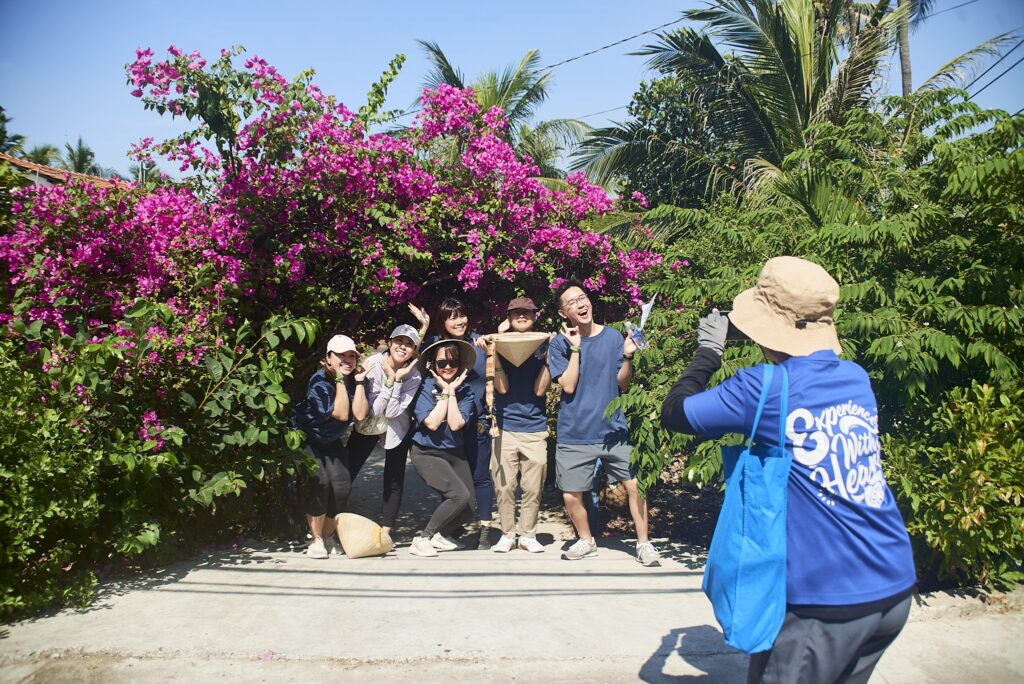
Pre-Event Planning Checklist
A solid pre-event plan is key to successful event photography. Coordinate closely with organizers and use a checklist that aligns photography goals with overall objectives. Important pre-event steps include:
Define Event Objectives: Clearly understand the purpose of the event and the organizer’s expectations for photography. Are you focusing on keynote documentation, branding, team activities, or all of the above? Aligning on goals (e.g. publicity photos vs. candid team moments) will shape your shot list and style.
Budget and Services: Agree on the scope (hours of coverage, number of shooters, deliverables) and budget. As a reference, one event planning site lists a professional photographer at about $1,500 per day. Tailor packages to the event size — some photographers offer half-day or hourly rates, while others charge per event. Clarify what is included (digital files, prints, an album, or a highlights reel).
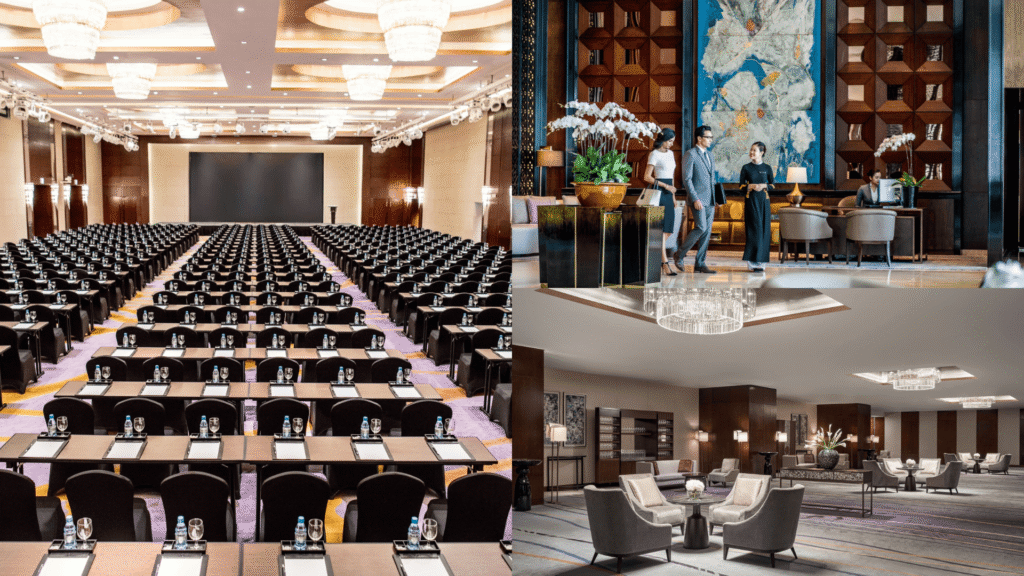
Venue Scouting: Visit the venue beforehand if possible. Ensure the space meets requirements (size, capacity, layout). Check lighting conditions and identify photo hotspots (backdrops, signage, or scenic areas). Confirm that the venue has necessary amenities like power outlets, tables for equipment, and good general lighting. As one guide suggests, choose a venue “that can comfortably accommodate the anticipated number of attendees and activities”. If outdoors, identify indoor backups in case of bad weather.
Logistics and Schedule: Get a detailed event agenda well in advance. Note start/end times, keynote speeches, breakout sessions, awards ceremonies, and social events. Build a shot timetable to cover all critical segments. An event planning checklist advises to “outline the event schedule with time for activities and breaks”. Use this to plan when to capture key scenes (e.g., entrance, keynote, group lunches).
Permissions and Rights: Arrange necessary permissions ahead of time. This includes photo consent from speakers (some events forbid photos during talks), model releases for attendees (if photos will be published externally), and venue photography permits. Clarify usage rights in the contract: will images be used for marketing, internal reports, social media, or sold to participants?
Coordination with AV/Technical Team: Photography often relies on audio/visual cues. Coordinate with the AV team for speaker slides or microphones (to capture speaker audio if doing video). Test lighting and sound early if you plan to do video or need to sync event microphones.
Key Shots to Capture (Shot List)
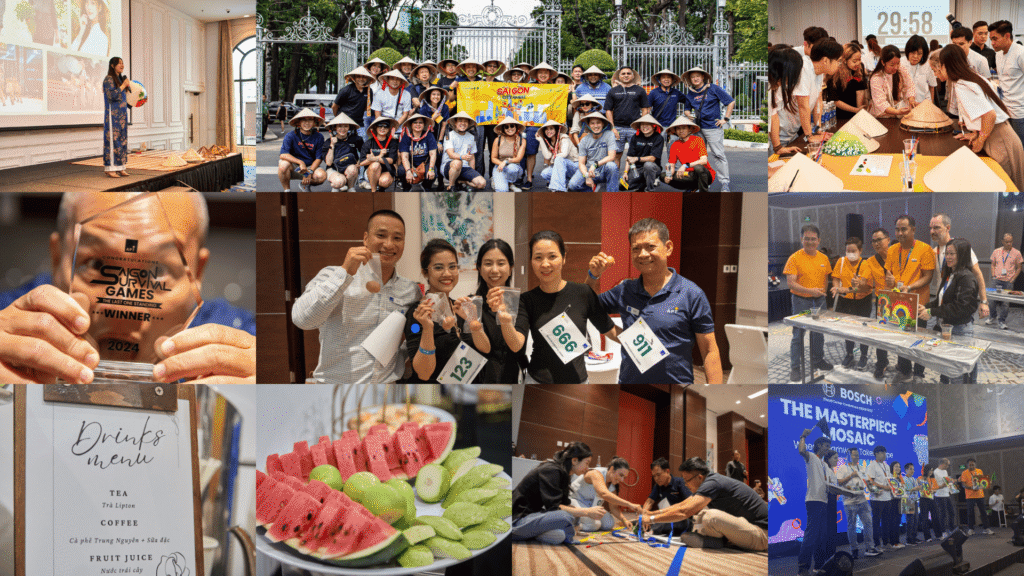
Having a predefined shot list ensures you won’t miss important moments. Here are essential shots to include:
Conference/Presentation Shots: Capture speakers at the podium, presentation slides, and audience reactions. Include close-ups of logos, product demos, or projection screens as they help tell the story of the event.
Speakers and Panelists: Photograph headshots of each speaker or panelist, both solo and during discussions. These are useful for press releases or speaker intros.
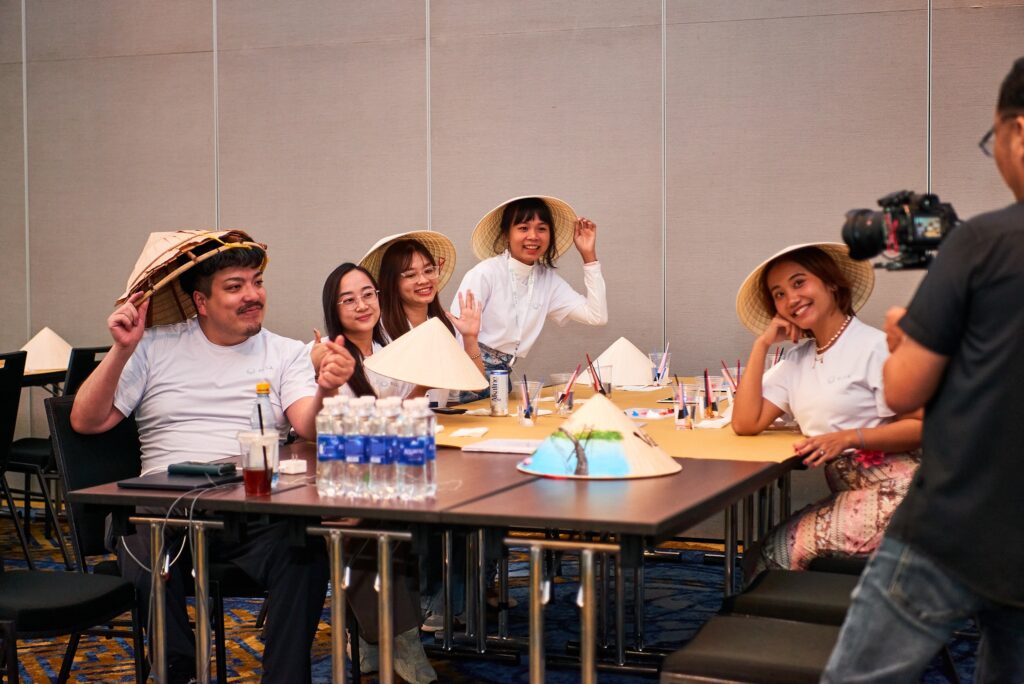
Attendee Candids: Take natural shots of attendees networking, shaking hands, smiling, or engaging in activities. Candid photos of participants in action convey the event’s atmosphere and energy.
Team-Building and Group Activities: If there are workshops, breakout sessions, or team-building exercises, capture groups collaborating and interacting. These highlight company culture and engagement.
Formal Group Photos: Don’t forget posed group shots of organizers, VIPs, and teams. For example, one retreat story noted a photographer was hired for a “perfect group photo” with a famous backdrop. Ensure everyone looks at the camera and consider multiple arrangements (e.g., by department or leadership).
Networking Events and Socials: If the event includes dinners or parties, photograph guest mingling, toasts, or award presentations. These moments often make for warm, memorable images.
Details and Environment: Shoot photos of the venue setup—table arrangements, signage, products on display, and branding elements. These detail shots are great for marketing materials.
Action Shots: If there are live activities (e.g., breakout exercises, games), get dynamic shots of people in motion. Use continuous shooting mode to capture peak moments.
By preparing this shot list in advance, you ensure coverage of every facet of the event. Review it the day before to make any adjustments for the final schedule.
Essential Equipment and Gear
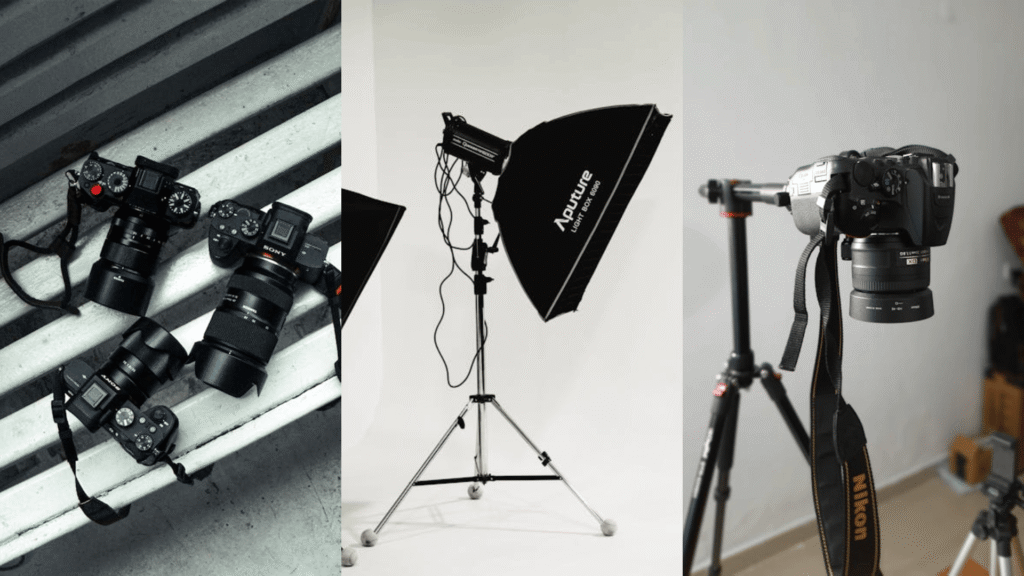
Professional results require the right gear. Key equipment includes:
Camera Bodies: Bring at least two camera bodies (DSLR or mirrorless). This allows switching between different lenses quickly and provides backup in case of gear failure.
Lenses:
- Wide-angle lens (e.g. 16–35mm): For venue and group shots, capturing the whole room or large crowds.
- Standard zoom (e.g. 24–70mm): Versatile for general shots—speakers, small groups, and mid-range candids.
- Telephoto lens (e.g. 70–200mm): For candid shots of speakers or attendees from a distance, without disturbing the scene.
- Portrait lens (e.g. 50mm or 85mm prime): Great for headshots with shallow depth of field.
Flash and Lighting: Even if relying on ambient light, bring a professional external flash (speedlight or strobe) and diffusers. Many conference rooms have poor lighting; bounce flash off ceilings or use softboxes/umbrellas to avoid harsh shadows. Bring wireless triggers if you plan multi-source lighting.
Tripod/Monopod: Useful for steady wide venue shots, or low-light group photos. A monopod can help stabilize telephoto shots during long events.
Audio Equipment (Optional): If also covering video, consider an audio recorder or boom mic to capture clear sound of speeches or interviews.
Accessories:
- Extra batteries and chargers (for all gear).
- Multiple high-capacity memory cards (and backups).
- Cleaning kit (lens wipes, air blower).
- A laptop or external drive if you plan on-site backups or quick edits.
- Gaffer tape and tool kit for securing lighting or solving quick fixes.
Emergency Gear: Pack backup equipment – a spare camera body, additional lens, or even a smartphone for backup shots. Technical issues can happen, and having spare gear keeps the shoot running.
Lighting and Audio Tips
Even though this guide focuses on photography, being mindful of lighting and sound can improve your results:
Ambient Light: Wherever possible, use natural or existing light sources (windows, stage lights). Position subjects where light hits faces evenly. Overhead fluorescents often cast greenish light—correct this in camera or in post.
Stage Lighting: For keynotes and panels, work with the lighting technician to avoid overexposure on screens or speakers. If stage lights are dim, use a fast lens (f/2.8 or wider) and increase ISO carefully to avoid blur.
Flash Use: On-camera flash is useful in a pinch, but off-camera or bounced flash looks more professional. If allowed, position a flash behind the audience facing the podium; this can light speakers without distracting them.
Audio (Video): If capturing video, coordinate with the AV team to access the event’s sound feed. A lapel mic feed can vastly improve audio quality of speeches. Always do a quick sound check before recording.
Continuous Shooting: In low light or fast action (e.g., award presentations, networking), use continuous burst mode to capture multiple frames per second. This increases the chance of a perfectly timed shot.
Monitor and Adjust: Check test shots on camera’s LCD to ensure exposure and color balance are correct. Adjust white balance manually if lighting is mixed (natural + fluorescent, etc.).
Pricing & Packages for Corporate Event Photography
Corporate event photography is usually priced per hour or per day, with packages to suit different needs. Factors include event duration, number of photographers, and deliverables.
- Hourly vs. Day Rate: Many photographers charge an all-day rate (e.g., 8 hours) rather than by the hour, which often works out cheaper and guarantees coverage of the full event.
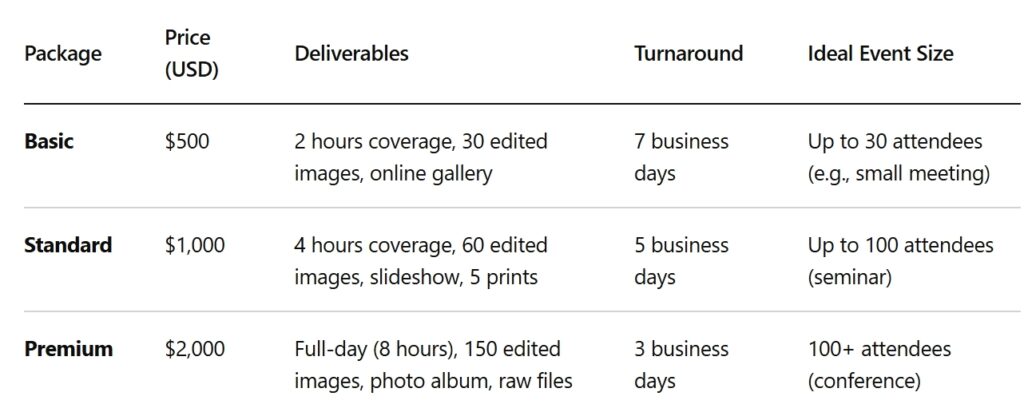
- Deliverables: A basic package might include a set number of edited images (e.g., 30 images) and an online gallery. Premium packages add prints, albums, or raw files.
- Travel and Venue Fees: In Vietnam’s larger cities, travel may be included. For remote or international events (e.g., overseas company offsites), extra fees may apply.
- Usage Rights: Clarify usage – typically corporate clients get full commercial rights to the images for marketing.
- Comparing Packages: See below for a sample package comparison table. It offers Basic, Standard, and Premium options with typical pricing, deliverables, and ideal event sizes.
Frequently Asked Questions
Q: What types of events need corporate event photography?
A: Any formal business gathering benefits from corporate event photography, especially when brand visibility and documentation matter. This includes conferences, seminars, sales kickoffs, team-building retreats, executive meetings, and client-facing events. If your event features keynote speakers, award ceremonies, or branded environments, investing in the best corporate event photography ensures high-quality visuals for marketing and internal communication. Even hybrid events and internal town halls can benefit from professional corporate event photography for long-term content use.
Q: What should I look for when hiring a corporate event photographer?
A: To achieve the best corporate event photography, choose a photographer with proven experience in corporate environments. Review their portfolio for high-quality corporate event photography across different lighting conditions and event formats. Look for reliability, professionalism, and the ability to capture key business moments. The best corporate event photography providers will use professional equipment (multiple cameras, lenses, lighting) and offer backup solutions. Clear communication is essential—ensure they understand your event goals, branding, and key moments to capture.
Q: Can we use our own team’s cameras or phones instead of professional corporate event photography?
A: While smartphones can capture casual moments, they cannot replace professional corporate event photography. The best corporate event photography ensures consistent quality, proper lighting, and complete event coverage. Professional photographers are trained to handle large crowds, fast-paced environments, and low-light conditions without missing critical moments. Additionally, professional corporate event photography services provide fully edited, licensed images ready for marketing use, saving time and ensuring compliance with usage rights.